By Khalia Greer
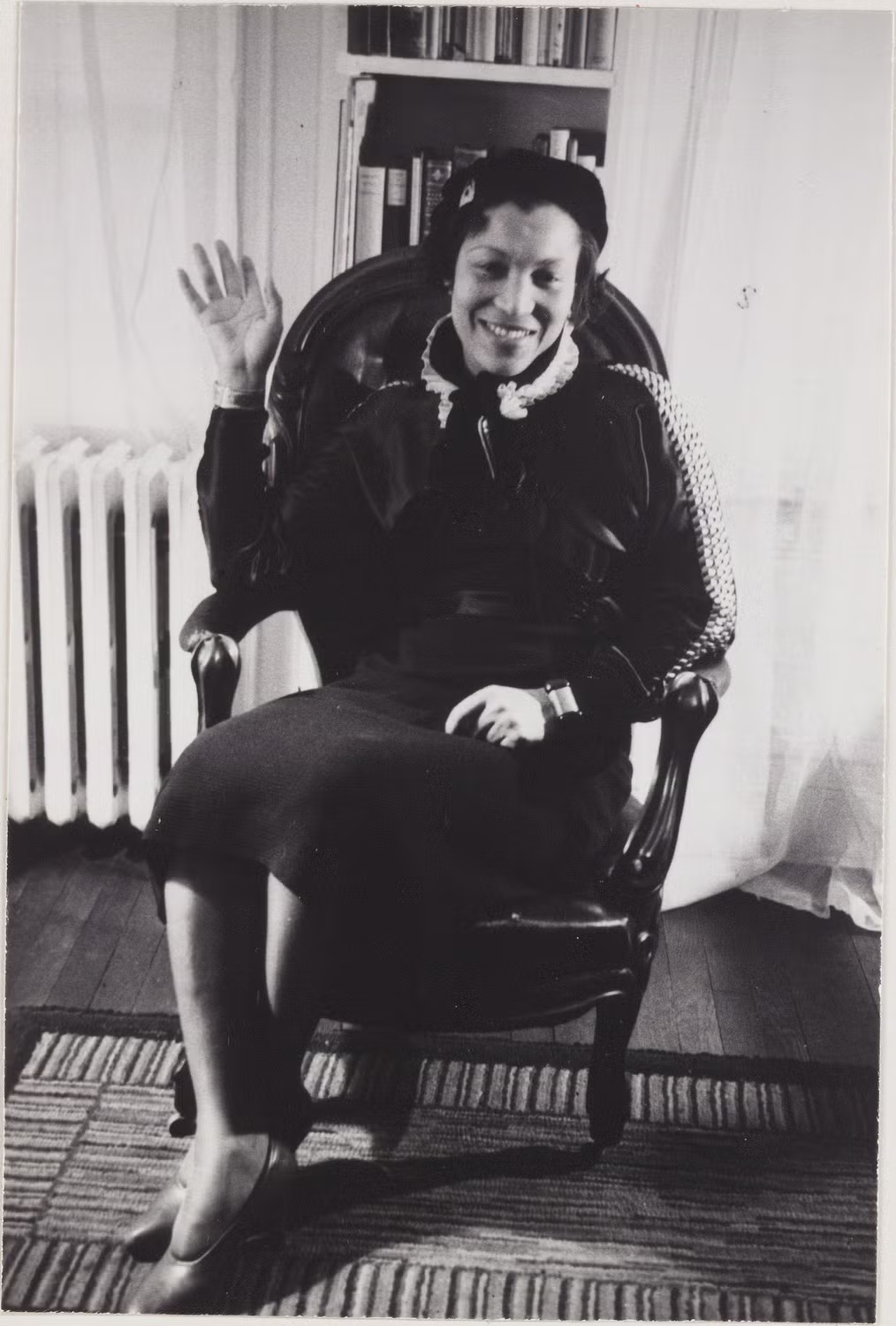
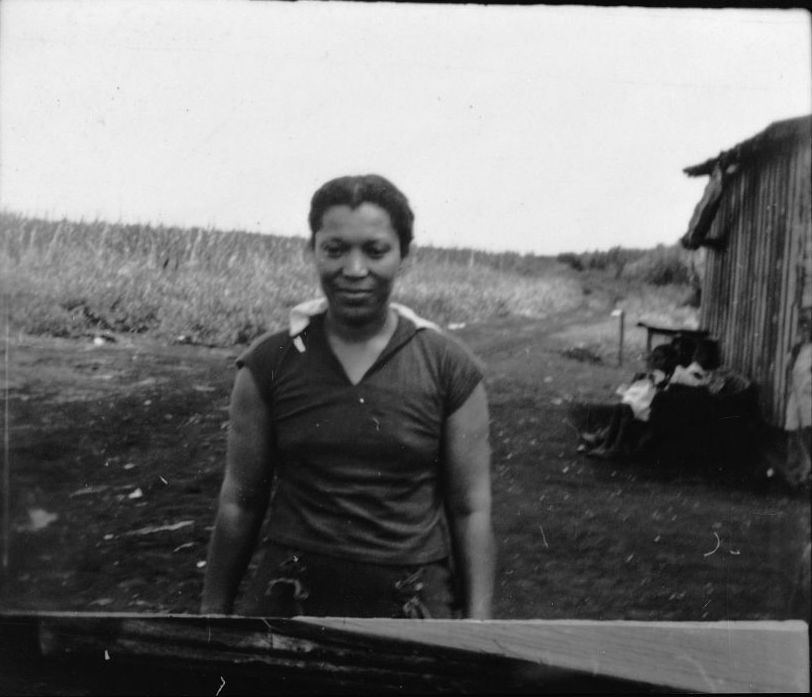
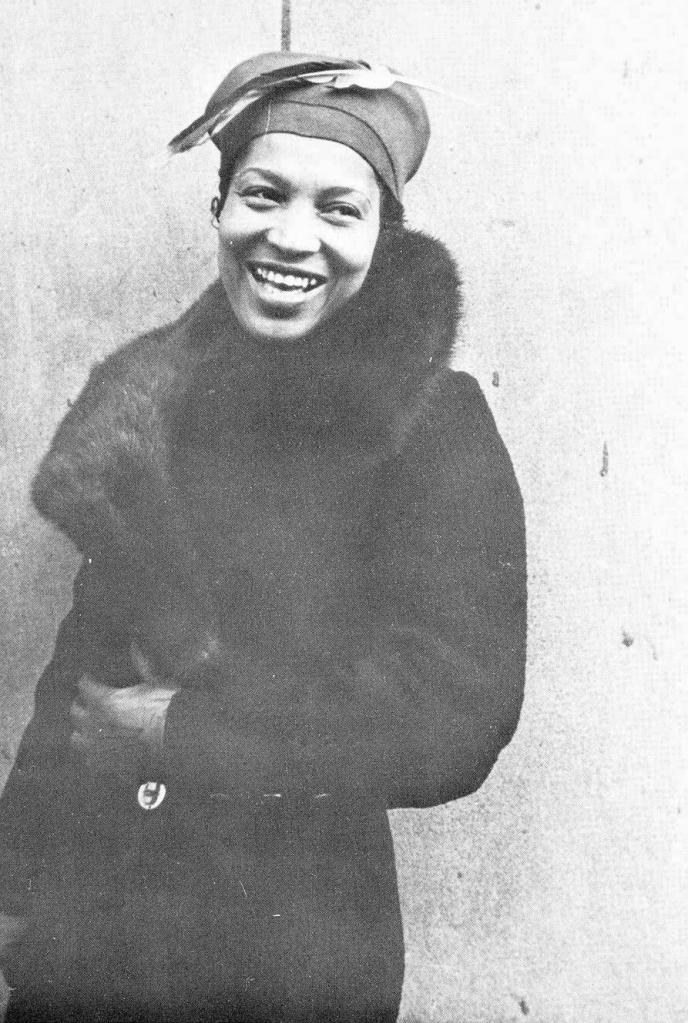
Zora Neale Hurston was born on January 7, 1891, in Notasulga, Alabama, to parents John and Lucy Potts Hurston. When she turned ten, she and her family moved to Eatonville, Florida, the first incorporated all-Black town in America. Eatonville had a significant influence on Hurston, so much so that she considered that to be her true home in comparison to Alabama. In Eatonville, Hurston was able to grasp a true sense of her identity and culture and attended school there until she was thirteen, when she stopped attending due to the passing of her mother. When her father remarried, Hurston moved out to live with different relatives, and to get by, she worked odd jobs, which led her to become a maid for a Gilbert and Sullivan troupe. In 1916 she left the troupe in Baltimore and began her studies at Morgan Academy.
At Morgan Academy she was able to complete all of her high school requirements, and in 1918 she went on to attend Howard Prep School in Washington, D.C. From there she attended Howard University, where she published her first two short stories in the literary club’s magazine. In 1925 Hurston’s short story “Spunk” was published in a Harlem-based magazine called Opportunity, and from there she continued to evolve as a creative writer. The publishing of her short story aided her in being recognized for her work and earned her a scholarship to attend Barnard College. While she was there, a man named Charlotte Osgood Mason offered to fund her work, and Hurston took full advantage of these funds by planning a trip to see the South and become immersed in the culture there for her studies. Hurston traveled alone and partially with Langston Hughes through Florida, Alabama, New Orleans, and even to New York, determined to learn and share what the Black experience was.
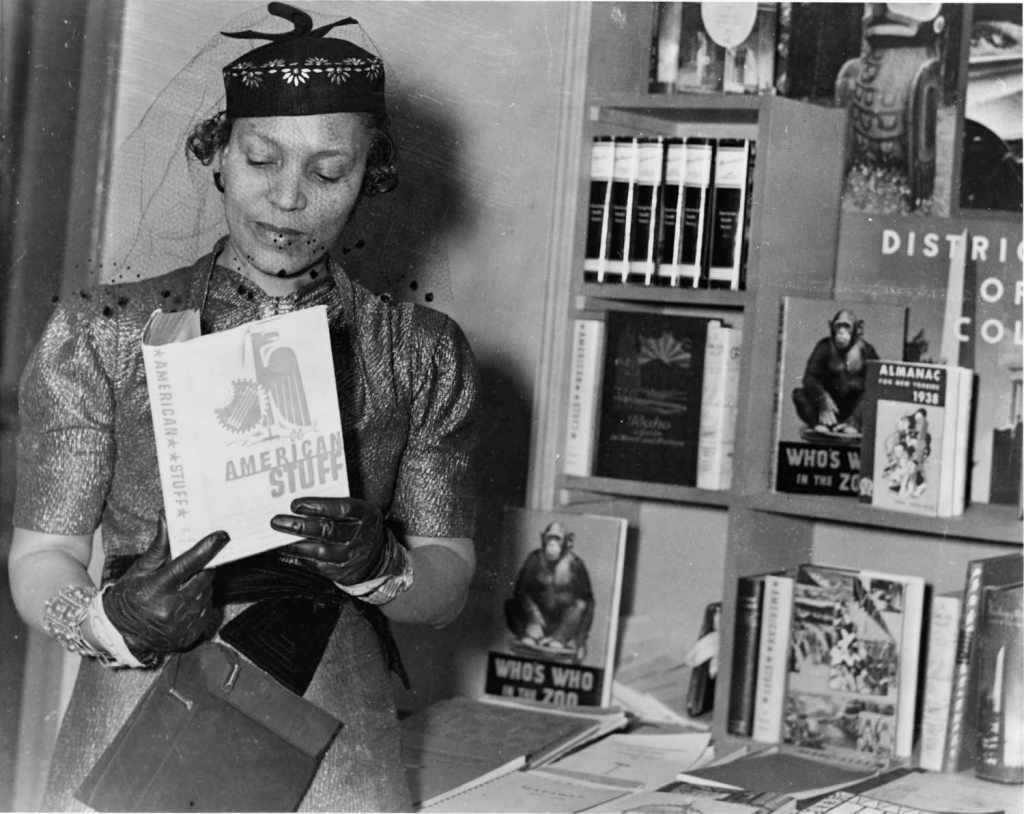
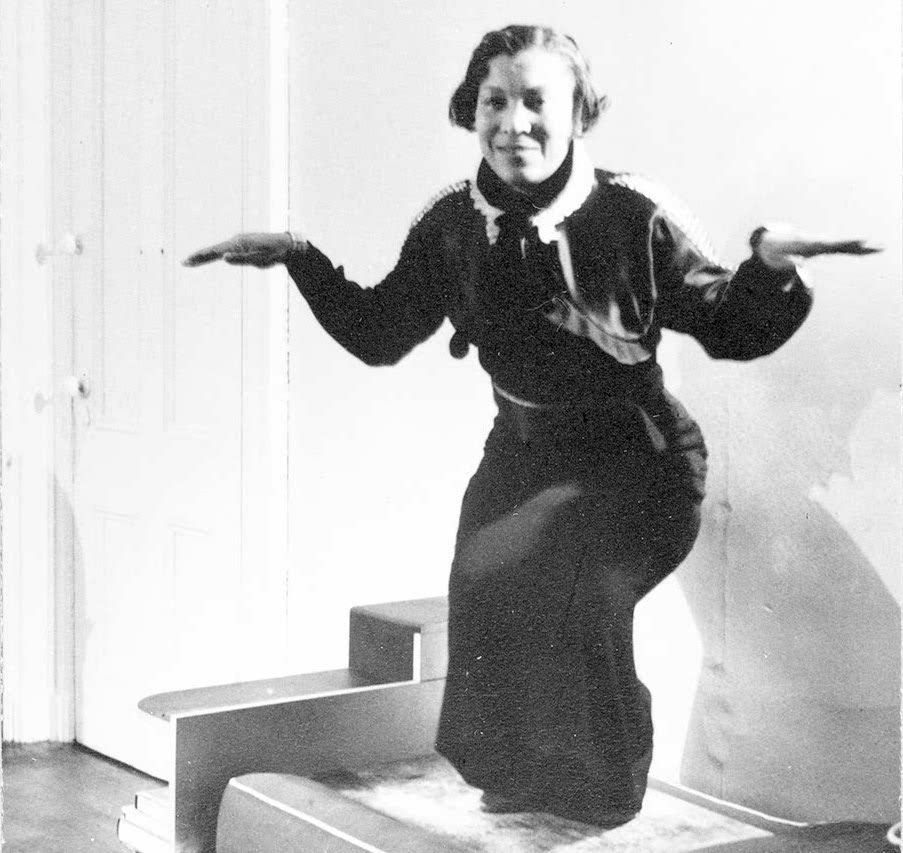
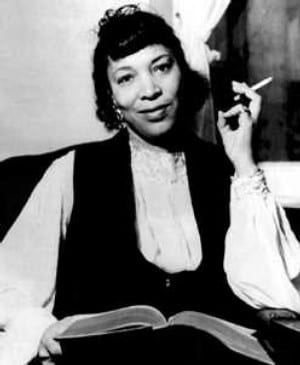
In 1928 she earned a bachelor’s degree from Barnard College in anthropology, and with the knowledge gained from studying, she was able to become a more multifaceted writer. In 1930 she and Langston Hughes created a play called “Mule Bone”, and although the play ended their friendship due to not being able to agree on credibility, years down the line many would recognize it as a collaboration of two of the Harlem Renaissance’s amazing talents. Other works that Hurston published included Jonah’s Gourd Vine and her most famous work, Their Eyes Were Watching God, a novel that went into depth about the experiences of Black women in the South. At the time, critics questioned Hurston’s work because they believed it did not properly depict the true racism that the Black community faced in America and further pushed negative stereotypes. This resulted in her work not selling effectively, therefore never bringing her financial stability, so she had to work odd jobs to stay afloat. In 1960 Hurston unfortunately passed away due to heart complications, so she was never able to see just how much of a positive impact she actually had. Today, Hurston is celebrated as being a staple figure in the Harlem Renaissance, a dedicated anthropologist, and the woman who broke the barriers of literature by shedding light on the experiences of Black women. Her contributions to the Harlem Renaissance, novels, and works in Black folklore made way and continue to inspire the new generations of creative writers and artists.
Additional Resources
- Pioneering a New Approach to Documenting Black Life | Zora Neale Hurston: Claiming a Space
- Every Tongue Got to Confess by Zora Neale Hurston
- Tell My Horse by Zora Neale Hurston
- Seraph on the Suwanee by Zora Neale Hurston
- Moses, Man of the Mountain by Zora Neale Hurston
- “Mules and Men” by Zora Neale Hurston
Works Cited
Boyd, Valerie. “About Zora Neale Hurston.” Zora Neale Hurston, 2025,
http://www.zoranealehurston.com/about/.
Norwood, Arlisha R. “Biography: Zora Neale Hurston.” National Women’s History Museum, 2017,
http://www.womenshistory.org/education-resources/biographies/zora-hurston.
“Zora Neale Hurston.” Encyclopædia Britannica, edited by Encyclopedia Britannica,
Encyclopædia Britannica, Inc., 12 Apr. 2025,
http://www.britannica.com/biography/Zora-Neale-Hurston.
 Pan African Studies Encyclopedia