By Cecilia Ramirez
Soul as a Pan-African Concept: Identity, Resistance, and Cultural Continuity
Soul is the spiritual part of a human or animal, which is regarded as immortal because it continues to be remembered even after someone has passed away. In the context of Pan-African studies, the word soul is used to describe things that are nourishment for the body, like music and food.. The term “soul food” is used to identify a type of soul that is nourishment for the body. Okra is a vegetable that is used in African soups or what is called gumbo, and the word gumbo is said to come from the African word kingumbo, which is what okra was called when it had been first introduced to African slaves in New Orleans. The word soul has helped shape the identity of many African Americans, as well as created resistance and cultural continuity in these communities. The term soul is deeply rooted to African American and Pan-African cultures, even beyond spiritual realms, it is a symbol of Black identity and cultural pride.
The roots of the term soul are able to trace back to traditional African worldviews. These include music, dance, and spirituality, which were important aspects of communal life. In many of these African communities, soul was seen as a link back to individuals and ancestors. Enslaved Africans in the Americas were able to survive the translantic slave trade through their traditions that had been infused with music and rhythm that have been imbedded in their practices. After arriving in the Americas and being forced to become accustomed to the New World, enslaved Africans used music, spiritual and oral traditions to empower their identity and resistance, which expressed their suffering and hope. Even under American systems of enslavement and colonization, African rooted people preserved elements of their culture through their soul, which allowed them to resist against assimilation and keep that connection to their ancestral heritage.
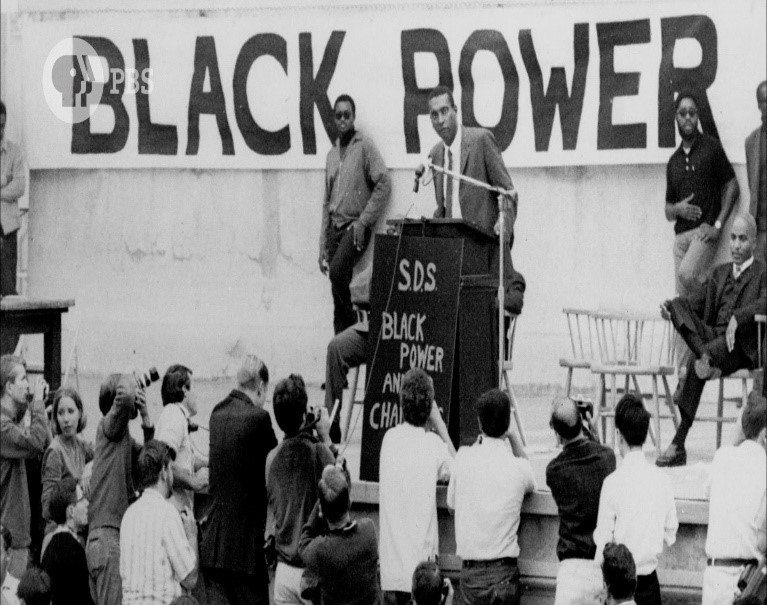
As time moved on, in the twentieth century the word soul took on a political and cultural meaning for African-American communities. The word was a symbolism of pride, identity, and self determination that empowered communities during the Civil Rights Movement and in the rise of the Black Power Movement. Phrases used like soul brother or soul food, and the spread of soul music became a reflection of the culture that had been created through the experiences of African Americans. Soul music was created as a genre through gospel, rhythm and blues, and jazz, that carried emotional and spiritual intensity that had been grounded in African traditions. Many artists during these times infused their music with political messages, for example when James Brown’s “Say It Loud – I’m Black and I’m Proud” became the anthem of resistance. During this era, African-American communities saw the way the word soul emerged as an aesthetic to walking, talking, dressing, and thinking unapologetically Black. In places like Africa and the Caribbean, artists drew inspiration from the way that African-Americans expressed the word soul as they desired to redefine postcolonial identities. The term soul became a shared language of pride and resistance throughout Black communities.
Other than being used as an aesthetic, the word soul embodied a way of knowing and resisting, centered in African philosophies. In context to Pan-African studies, the term soul is a reflection of the strength that came from enduring colonization, racial oppression, and cultural erasure. Individuals such as W.E.B. Du Bois has contributed to the structure that aligns with the deeper suggestion of the term soul as cultural consciousness. Du Bois’ theory about double consciousness, which is when there is internal conflict between being Black and American, is expressed through soul music, and the words that speak about their struggles. Similar to Du Bois, Molefi Kete Asante’s theory about Afrocentricity is important because it urges people who have African roots to reclaim their cultural and historical perspectives. In this sense, the word soul challenges Eurocentric standards and becomes an act of affirmation about the dignity of African heritage. The word soul is also a reflection of Pan-African movements that highlight unity and cultural integrity. Leaders like Aimé Césaire and Léopold Sédar Senghor celebrated African culture and aesthetics that were essential to Black liberation through organizations like The Negritude Movement. In these cases the word soul is not just about the emotional feeling, but also about the commitment to Black liberation across borders.
Even in the twenty-first century, the word soul continues to be an evolving concept. Even though this concept influences genres in music like R&B, and hip hop, it is also a broader cultural symbolism of Black pride and creativity. Many artists, like Erykah Badu and Burna Boy, have incorporated the term soul into their work reflecting dialogues between African-Americans and African traditions. Many Black communities throughout the world continue to organize around cultural and spiritual values that have been tied to what feels like a shared soul. Movements like Black Lives Matter reflect on the civil rights struggles that center Black life, grief, joy, and resilience. Due to better technology, digital platforms spread the term soul using memes, language, art, and cultural references that celebrate Black identity. The idea of soul has an extension to mental health, wellness, and spirituality within Black communities. Practices like Afrofuturism, Black feminism, and holistic healing come from soul based traditions that have been rooted to ancestral wisdom.
Through history, the word soul has been operated as a vital connection to African descended people across time and space. It has been expressed using music, politics, fashion, or philosophy, and reflects creativity and resilience in the African Diaspora. In context to Pan-African studies, soul is not simply a cultural artifact, but also a living concept that encapsulates the struggle for wanting freedom, celebrations for Black identity and African heritage. The term soul offers a powerful lens in order to understand the complexity of Pan-African life.
Recommended Reading
- Homegoing By Yaa Gyasi
- Lose Your Mother by Sadiya Hartman
Works Cited
- Boaheng, I. (n.d.). A theological reflection on the Akan doctrine of the human soul. Journal for the Study of Religion. https://scielo.org.za/scielo.php?script=sci_arttext&pid=S1011-76012024000100003&lng=pt&nrm=iso&tlng=en
- The souls of Black Folk. The Project Gutenberg eBook of The Souls of Black Folk, by W. E. B. Du Bois. (n.d.). https://www.gutenberg.org/files/408/408-h/408-h.htm#:~:text=Venturing%20now%20into%20deeper%20detail,1%2C%201903
 Pan African Studies Encyclopedia