There is a plethora of ways people from the African Diaspora have been marginalized, limited, and subjugated across the World. The framework and conditioning of Anti-Blackness is deeply rooted in globalized societies’ perceptions and attitudes. There has always been a contrived stereotype to break, an arbitrary amount of excellence to surpass and a will to break, to assimilate to the “standard” of Western (and White) society. Even when willing to play their game, the Black body will always be perceived through a lens of challenge, mystic, and intimidation. The choice to self-determine is the first step in disrupting these narratives.
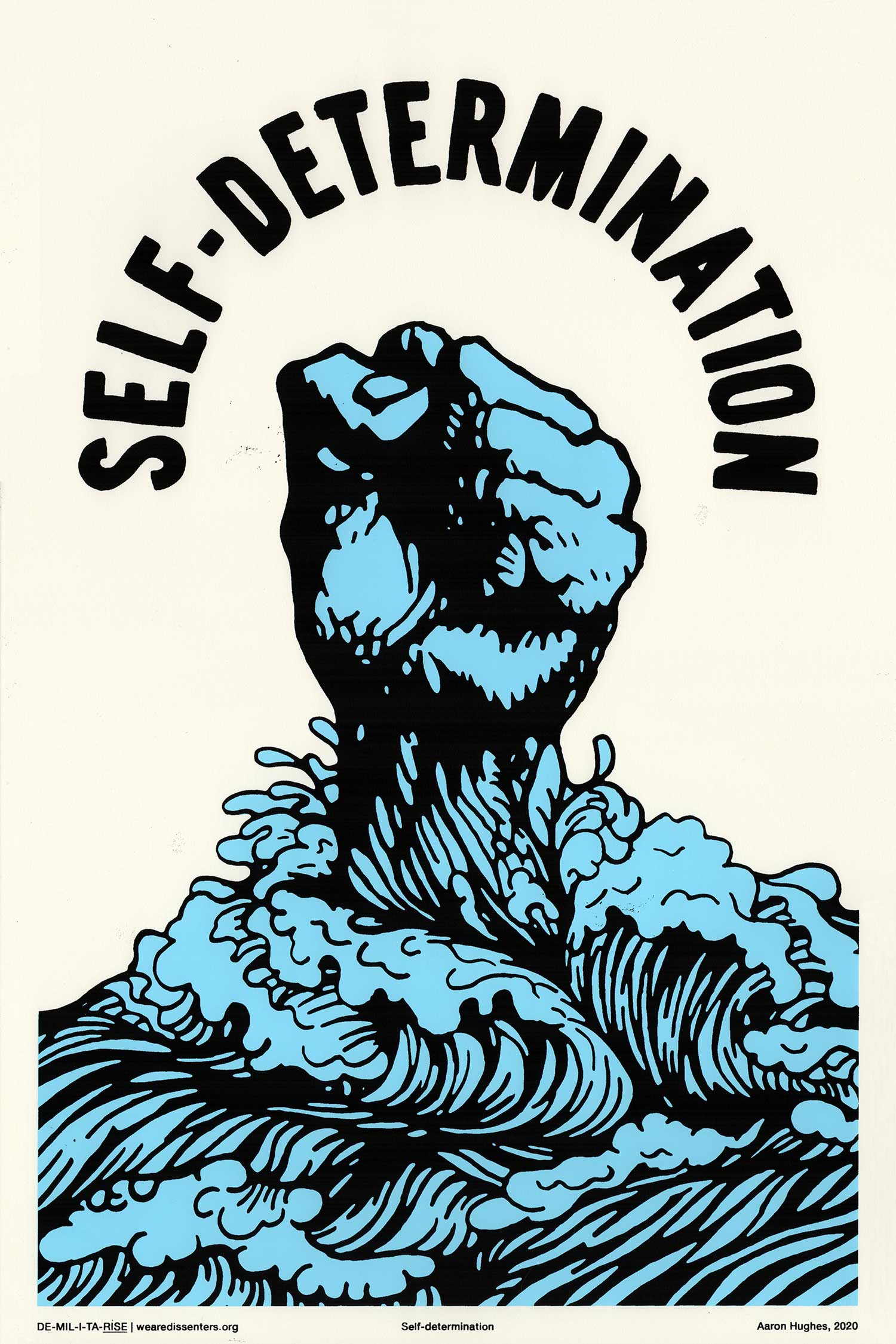
Self-determination is threefold; personal, political, and theoretical. To the person, self-determination is the desire and capacity to choose the direction of their life. There is an autonomous agency that is involved in deciding one’s own path based on one’s own understanding and perception. In the political sense, self-determination is a minimally a human right which enables one to involve themself in the contemplation, decision-making, and action necessary to achieve their desires of life. This allowance is political in nature because governments, formal entities, and groups of people have the ability to shift an individual’s ability to access the time, space, resources and safety to self-determine (Sparks). In theory, self-determination is a psychological maturation process dependent on motivation (Van den Broeck et al. 1122). When basic needs are not met, there is a gap between one’s desires and one’s need for survival. The choice to ignore, dismantle, and condemn the dehumanizing curses of the colonial, imperial, colorist, racist, and classist groups imposed on Black folks is a part of the initial process of building an awareness of how intersectional oppression forms.
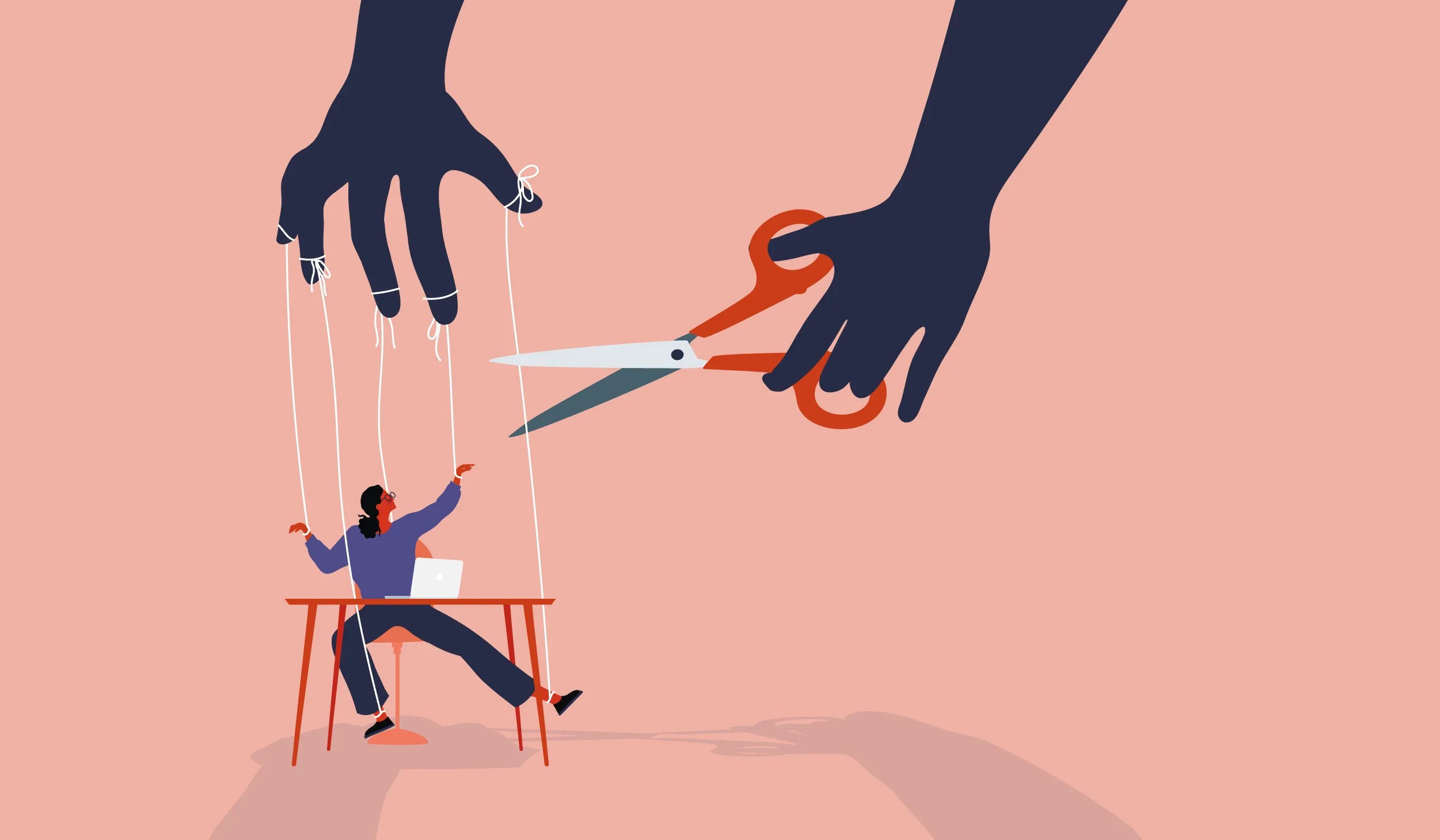
Intersectionality is the interconnected dynamics of oppression (Hill Collins, 2019). Intersectionality is pertinent in the discussion of self-determination as there tends to be multiple layers disabling folks from having the ability to self-determine. Self-determination is the individual’s foundation when engaging with the implications of freedom. The root of the Pan Africanist struggle is the fight for freedom. Through the Trans-Atlantic Slave Trade and experiencing what fellow humans were able to convince themselves and the world of for the sake of capital, is an atrocity that can no longer be framed in a mask of “the savior.” As Walter Rodney describes in his thorough analysis of the impact of colonialism and imperialism in How Europe Underdeveloped Africa, Africa is a rich and prosperous continent with vast and diverse aspects of wealth, intellect, culture, ethics, and philosophy (Rodney).
Europe and its benefactors created a false narrative of the “subhuman” African people and their descendants to annul their crimes against humanity. Century after century, any argument for the necessity of the slave trade is rooted in the financial and pseudo-sociological regard of Whiteness. the Whiteness is a social construct, created to uphold misplaced ideals of purity and morality onto the descendants of Europe and other colonizers. Since the slave trade, Whiteness has been conditioned to be the superior of Blackness.
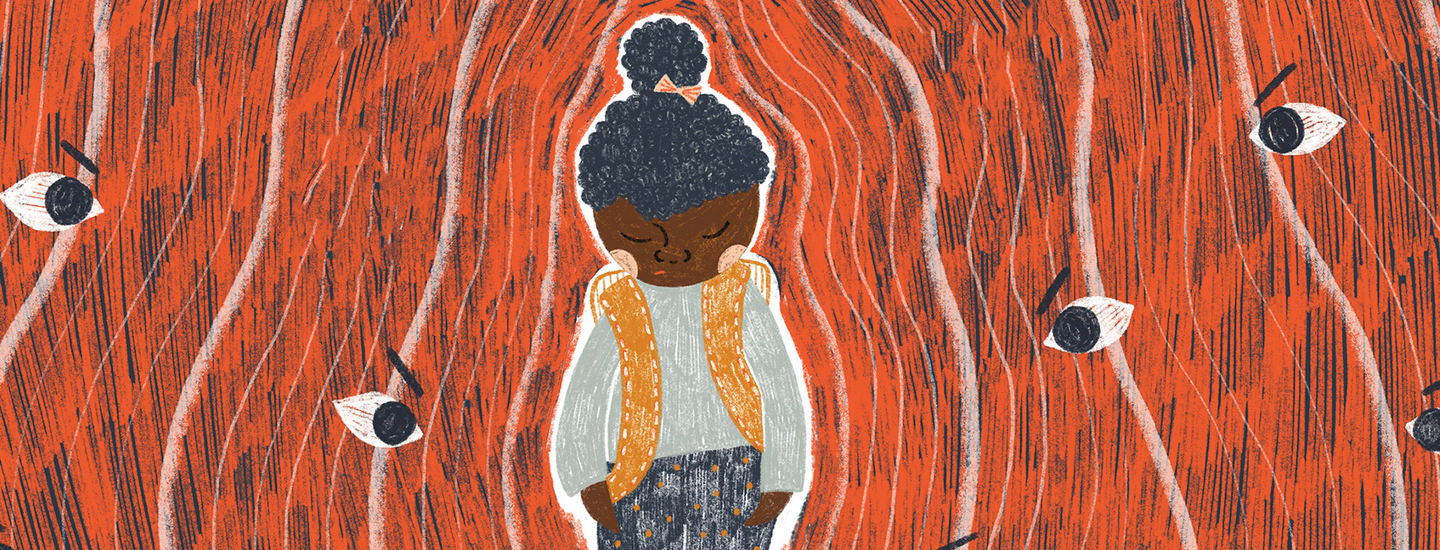
This false ideology, symbolism, and conditioning has been channeled into every aspect of human experience today. The sun never sets on the condemnation and institutional hatred of Black people. In the case of the Dred Scott decision of 1857, Scott unsuccessfully attempted to sue for his freedom, solidifying that Black people were exempt from the rights of the Constitution (Chemerinsky).The intuitions have developed and conditioned the masses to engage with these lies because despite their best attempts, the people of the African diaspora continue to be resilient and ascend the limitations of the lies of Whiteness (Lund).
The implications of antiblackness from the slave trade have had compounding impacts. As the notions of the fabricated idea of purity in Whiteness has been bred into society, it strives to keep the privileges of this falsehood alive. White people are willing to convince themselves of anything to keep the lie multiplying. Despite what is in the best interest of White people such as access to a quality education, access to healthcare, comfortable living conditions, and ethical work environments, the West has convinced everyone to live horrifically. They have only convinced the working class and other people of color by choice when removing their ability to justly self-determine. After a dozen generations of these inhumane dynamics playing out, at times, it is easier to conform and keep one’s head down than to choose to self-determine. It is a question of mere survival. Self-determination is a responsibility that people of the African diaspora have been told for generations is not in their best interest. They have also been told that their best interest was to be a third-class citizen, exempt from the respect and dignity of basic human rights.
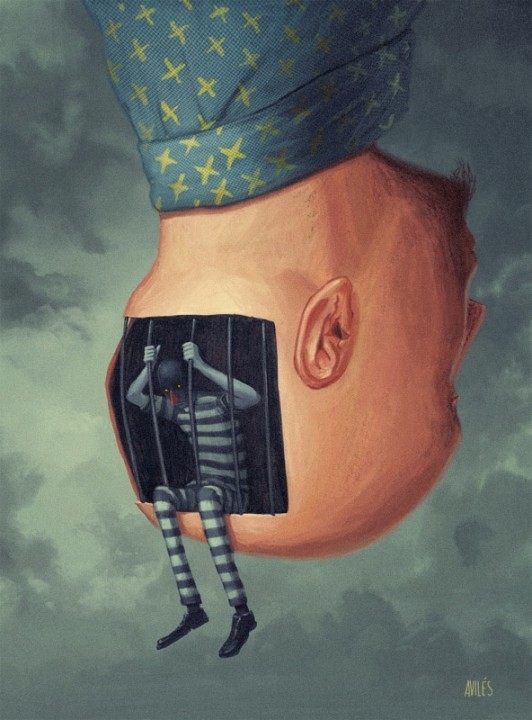
For a Black person in any country to actively deny the lies of the colonialist and imperialism by choosing to show up for themselves beyond what was deemed appropriate is radical in nature. The Black body is inherently political. Any shifts to the external experience including attending a predominately White higher education institution, reaching a particular tax bracket or having a job with a certain employer will never exempt a person from being Black. This is why analyzing from an intersectional lens in vital when critiquing the treatment of people of the African diaspora. Intersectionality is a term coined by advocate and theorist Kimberle Crenshaw in the 1980s to describe how systemic oppression is a web that catches all marginalized and under resourced folks at some point. The matrix of oppression favors White, straight, cis-males, with Christian allegiances and forces anyone outside of those demographics to be a target of intentional limitations to subdue the populous.
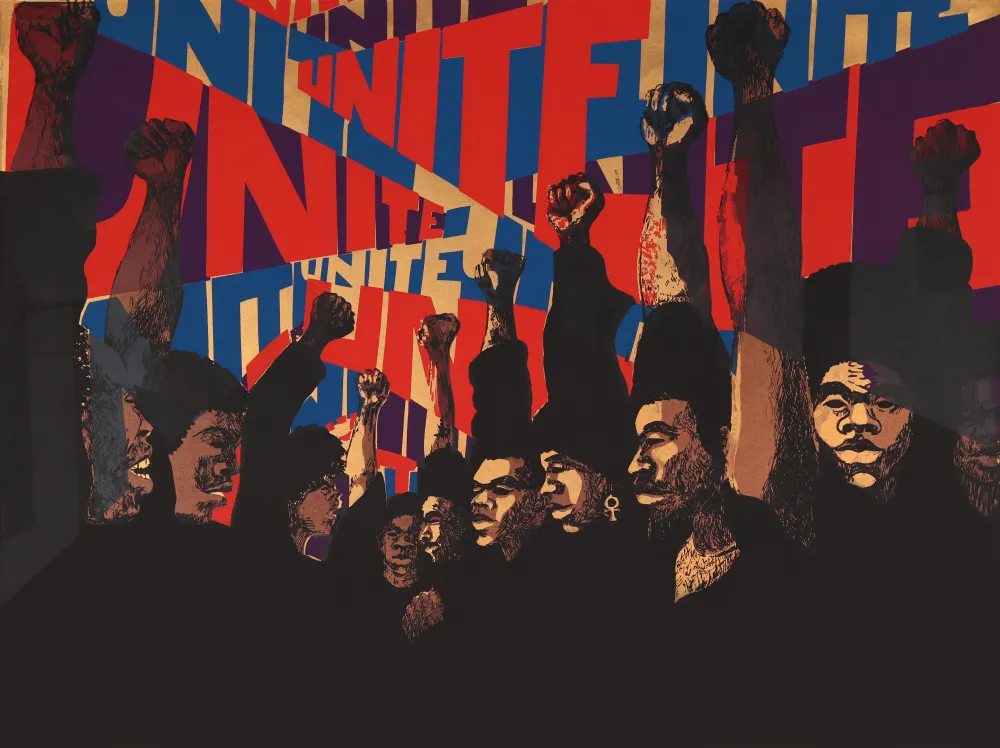
To actively and authentically step outside of that predetermined reality and choose for oneself is an immense creation of opportunity. As more Black people become aware of the dynamic roles of racism, sexism, classism, homophobia, etc. We become aware of all the ways our pursuit of freedom and happiness has been taken from us. Then, the choice to decide for oneself or allow Western society to decide for you is a question that will continue to echo in the masses’ minds for millennia (Tesón).
Works Cited
Chemerinsky, Erwin. Constitutional Law–Principles and Policies. 3rd ed., Aspen Publishers, 2006.
Hill Collins, Patricia. Intersectionality as Critical Social Theory. Duke University Press, 2019, https://doi.org/10.1515/9781478007098.
Lund, Martin. Whiteness. The MIT Press, 2022.
Rodney, Walter. How Europe Underdeveloped Africa. Verso, 2018.
Sparks, Tom. Self-Determination in the International Legal System : Whose Claim, to What Right? Hart Publishing, 2023.
Tesón, Fernando R., editor. The Theory of Self-Determination. Cambridge University Press, 2016.
Van den Broeck, Anja, et al. “A Review of Self-Determination Theory’s Basic Psychological Needs at Work.” Journal of Management, vol. 42, no. 5, 2016, pp. 1195–229, https://doi.org/10.1177/0149206316632058.
 Pan African Studies Encyclopedia