The conceptualization of the resilience of the African race was done by Pan African Studies. Resilience is not just about surviving, but also reclaiming one’s identity and being solidarity in living through adversities of slavery, colonialism and racism. To know the resilience of African people is a part of appreciating the resilience and transcendence of African culture and political movements of the African diaspora and the African continent.
The esilience was based on African people’s historical struggles during the transatlantic slave trade, colonialism and Apartheid. Africans who were enslaved in America and the Caribbean between the 16th and 19th centuries endured brutal atrocities. However, these brutalities did not kill their ability to perform, but rather solidified them in their creativity in creating new cultures, preserving their African heritages, and creating revolutionary ideologies. An excellent case of how enslaved Africans whipped French colonizers and attained freedom to establish Africa’s first Black republic is that of the Haitian Revolution (1791–1804). According to Fanon’s (1961), the Haitian revolution stood for something broader than national political liberation; it was a vindication of their human dignity and autonomy previously taken from them.
Decolonization witnessed in the 20th century verifies the determination of former leaders like Ghanaian Kwame Nkrumah to heal colonial fragmentation and continue with Pan Africanism. If Africans wished to be strong and if they wished their fate to be determined by themselves, he urged that they must unite. As part of political resilience and dismantling colonial structures to free itself completely, Nkrumah envisioned and advocated for a united Africa (Nkrumah, 1963).
The idea of resilience thus has been taken up and utilized in the pan‐African intellectual frameworks of Du Bois, Marcus Garvey, and Frantz Fanon among others. According to these thinkers, resilience did not foreclose the possibility of surviving oppression, because surviving did not mean burying the African identity or collective agency. The Talented Tenth equipped African-descended people with their own historically situated conception of resilience in order to advance their liberation through a consciousness developed by Du Bois, who understood the historical roots of this project in the Pan Africanism movement. Du Bois showed the role education and collective struggle played in the struggle against racial oppression. The concept of the color line implied that African people had to move past the racial divide to find freedom and independence (Du Bois, 1903).
Kwame Nkrumah’s Pan African vision of political unity amongst Africans was connected to the spirit of resilience. He particularly called for a united Africa that would be economically self-reliant and one that was politically united but free from colonial and imperialist powers. Nkrumah’s vision to have an African Continental Union formed part of his deliberate mission to help resist being fragmented through colonialism and reclaim all aspects of land, cultural and economic autonomy (Nkrumah, 1963). Through this, the significance of post-colonial theorist Frantz Fanon extends resilience to understand the psychological residue of colonialism. According to Fanon, in The Wretched of the Earth (1961), resilience extended beyond simply survival to include an act of cultural and psychological reclaiming of self-identity. Fanon (1961) refers to resilience in the struggle for liberation since reclaiming dignity was an important element of resistance.
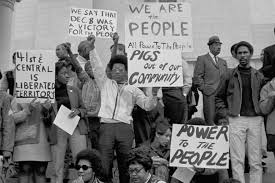
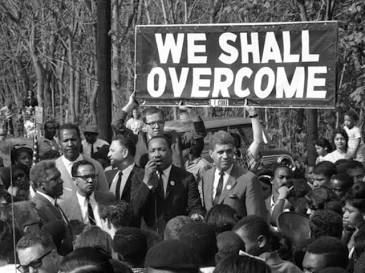
Resilience in the context of African Americans has been researched as a result of the lingering and ongoing effects of slavery and segregation, in addition to the continued racism in the world today. From slavery abolition to the Civil Rights Movement, and until the current Black Lives Matter, African Americans have stood against racial discrimination and the state of their cultural identity. For instance, when speaking of the Civil Rights Movement (1950s – 1960s), leaders like Martin Luther King Jr., Rosa Parks, and Malcolm X were quite resilient because they took on the victims of racial segregation through nonviolent resistance and revolutionary ideologies. Furthermore, they advocated their activism by believing that African Americans could unring the bell of racism by mobilizing and demonstrating with dignity against unjust laws and demanding justice (Du Bois, 1903). Although their fight was against system oppression, this was a movement for equality, and a genuine idea of how one can fight back against oppression. The face of resilience around the world is Black Lives Matter, and they are shining a light on their monumental efforts on issues regarding police violence and systemic racism. In this case, resilience reflects a modern expression to assist in turning the tide and the culture of race and justice (Fanon, 1961).
Throughout Africa, the history of resilience is seen, and the African Union is a good example, due to the fact that it was established to counter the problems of political stability, economic development and human rights. In spite of this, the African Union represents the epitome of Pan Africanism in orchestrating the kind of mandated peacekeeping, trade and human rights intervention (Nkebiorne, 2013). In the African diaspora, resilience is seen by increasing cultural movements of Black joy that seek to uphold cultural pride that conflicts with negative stereotypes commonly attributed to Black identity. Celebrating Black joy is a positive response to Black trauma that African descended people have gone through and have been forced to endure. Fanon (1961) says that this act is a powerful act of resilience for Black people, which proves to us Black people exist and are human and dignified. Afrocentrism is another movement that strongly signifies resilience and attempts to reclaim African history, culture, and identity. Afrocentrism is a way of resistance against the extinction of African contributions to global culture, as the African heritage is marginalized in historical narratives where it is challenged (Du Bois, 1903).
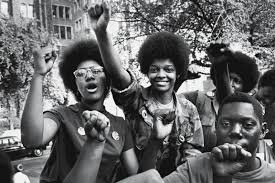
In conclusion, resilience in Pan-African Studies encompasses survival, cultural preservation, and political resistance. Black Lives Matter and the Black Panther Movement will continue to stay as a colossal reference of resilience from the enslaved Africans, who too vigorously struggled for their freedom and are still struggling for freedom by resisting inequality. Through intellectual, cultural and political expression of resilience, Africans continue to resist oppression, reclaim their identity, and build stronger communities. Pan Africanism remains a significant symbol of the continuing fight for freedom, unity and autonomy.
References
Fanon, F. (1961). The Wretched of the Earth. Grove Press.
Nkrumah, K. (1963). Africa Must Unite. Praeger Publishers.
Du Bois, W. E. B. (1903). The Souls of Black Folk. A.C. McClurg & Co.

 Pan African Studies Encyclopedia