Notable Music
- One love
- Jamming
- Natural Mystic
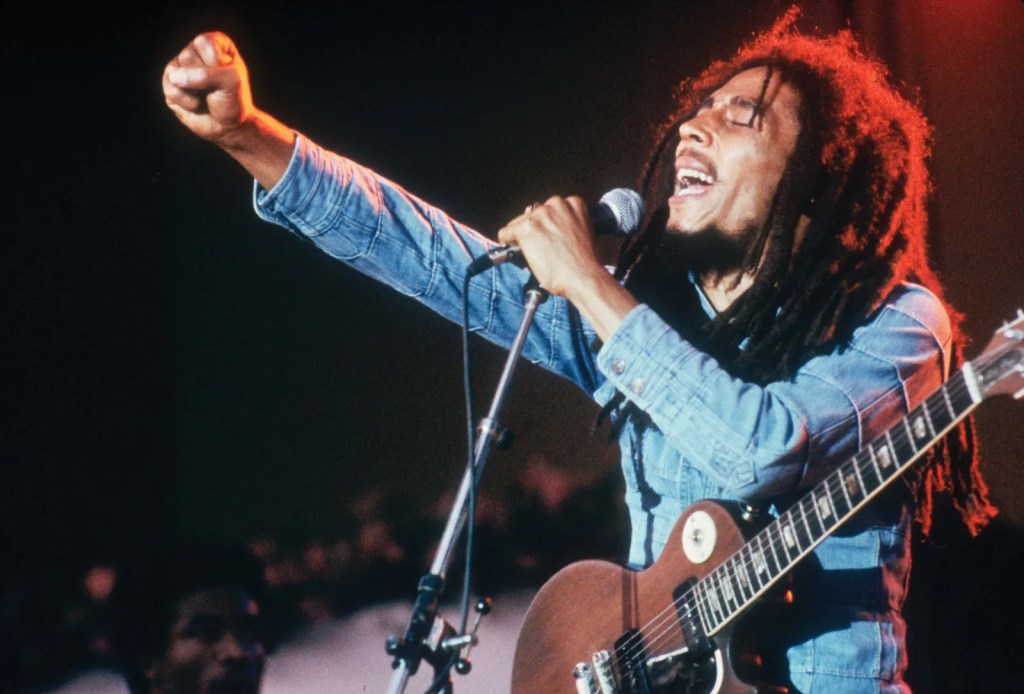
Born on February 6, 1945, in Nine Mile, Jamaica, Robert Nesta Marley was one of the most powerful voices for liberation and unity across the African diaspora. The child of a Black Jamaican mother, Cedella Malcolm, and a White Jamaican father, Norval Marley, his life and music would become something that symbolizes the struggles and triumphs of African people worldwide.
As the lead singer of the Wailers Bob Marley used reggae to begin a revolution, combining his sound with the spirit of Rastafari, and the cry for justice. Songs like “Zimbabwe,” “Africa Unite,” and “War” drew directly from his feelings about how people within the African diaspora should be treated and anti colonial struggles, making him a spiritual and cultural beacon for oppressed peoples globally.
Marley’s message was more than entertainment, he embodied the fight against racial oppression, poverty, and neocolonialism. He embraced Haile Selassie and the teachings of Marcus Garvey which grounded him firmly in the Pan-African world. Despite personal struggle and political trials including surviving an assassination attempt. Marley still was committed to using his platform for the upliftment of Black people around the world.
He died in 1981 at just 36, but not before starting a global movement. For the African diaspora, Marley is more than a reggae icon, he is a prophet of unity, resilience, and African pride. His music continues to connect the scattered people of Africa and even those of other cultures. A quote from him I found really interesting was “Emancipate yourselves from mental slavery… none but ourselves can free our minds.”
In this bright future you can’t forget your past / So dry your tears I say.” — Bob Marley and the Wailers, “No Woman, No Cry”

 Pan African Studies Encyclopedia