Author: erikortega47f68f765a

  • Water

    by Erik Ortega

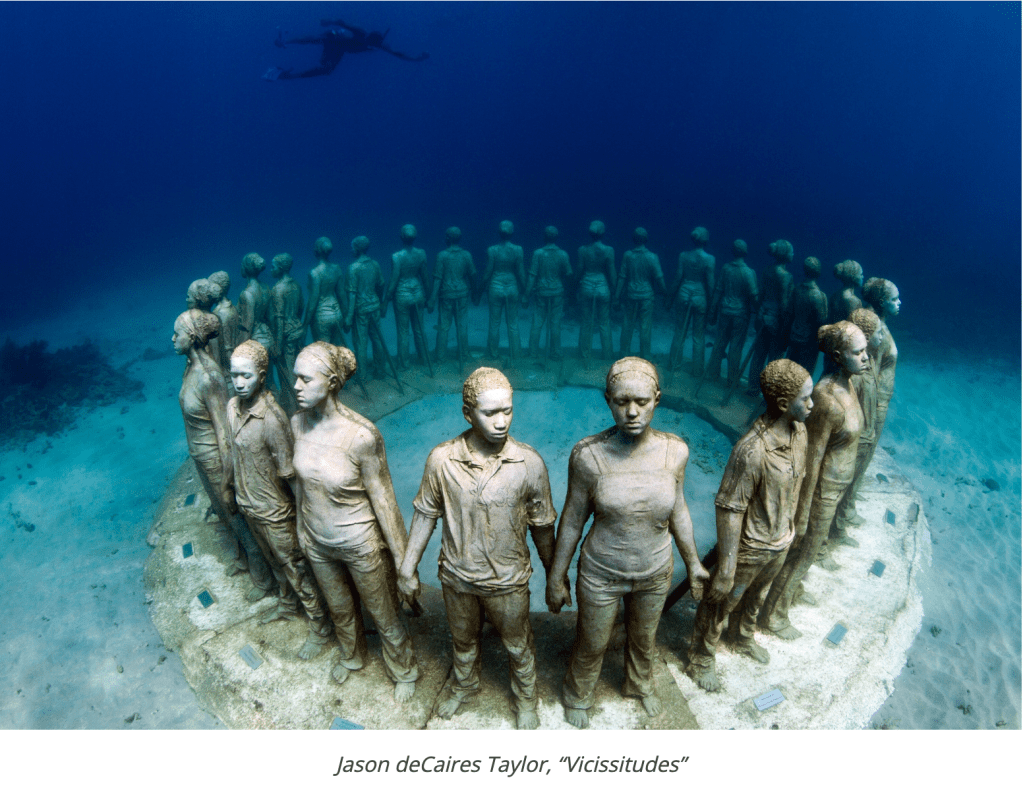
    The keyword that I chose is water. I approached this topic through a milpa (Three Sisters) perspective, encompassing Indigenous, historical, and literal viewpoints.

    From the Indigenous perspective, water emerges as a powerful symbol of memory, particularly in the context of the Transatlantic Slave Trade, which began “between 1500 and continued through 1900” (Liverpoolmuseums.org). Here, water embodies the suffering and dehydration endured by enslaved individuals who were forcibly taken from Africa.
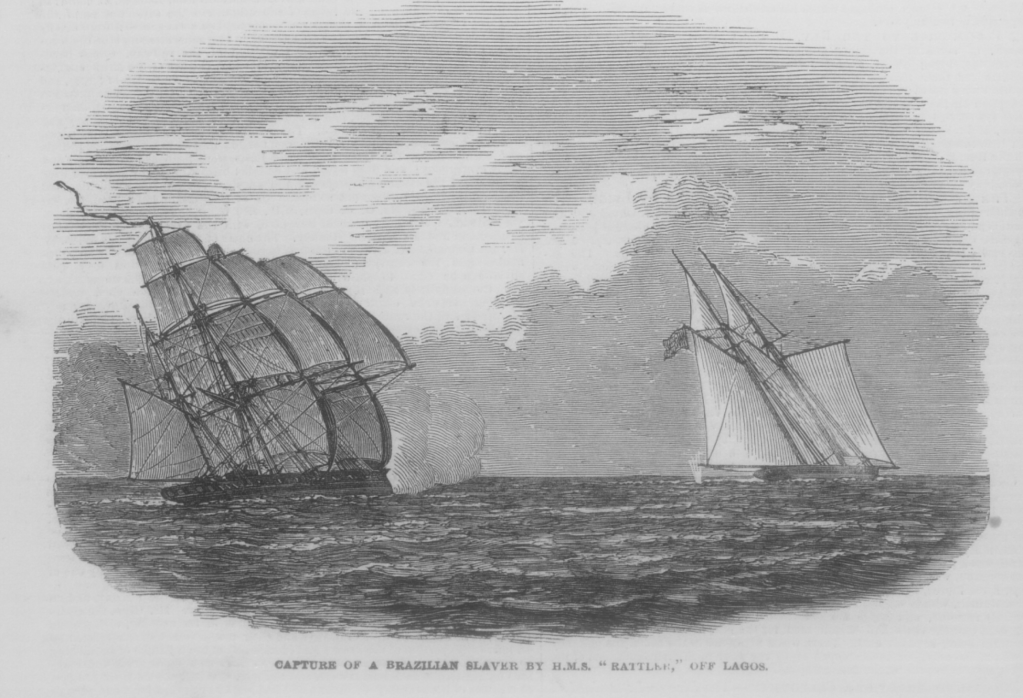
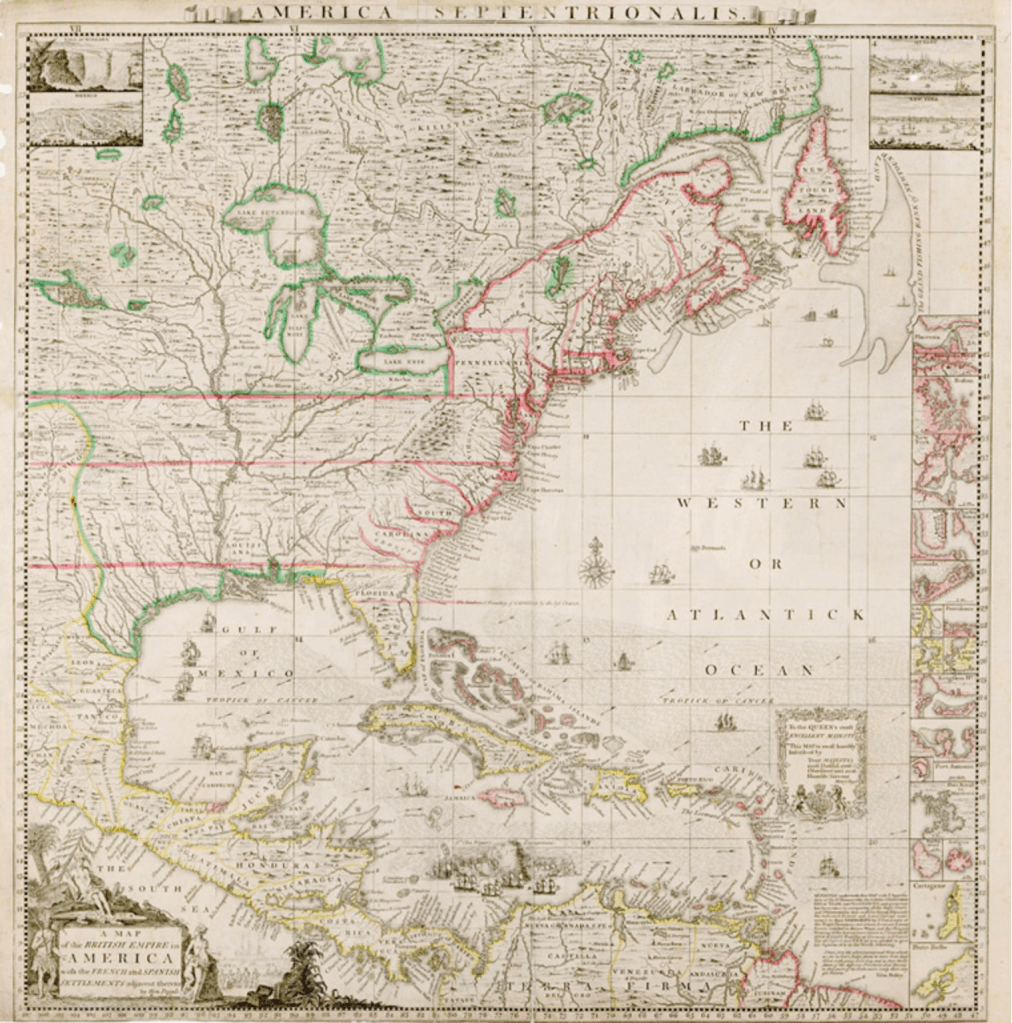
    Upon their arrival in places like Anahuac, Turtle Island, Abya Ayala, Cemanahuac, and Tawantinsuyu—also known as the American continent—water serves as a haunting reminder of the inhumane conditions faced during their journey and subsequent enslavement. The water flow becomes a metaphor for the loss of life, culture, and identity, drowned in this dark chapter in history.

    The Historical perspective highlights the systematic oppression faced by African and Black Americans, drawing a parallel to the way water cascades down a series of steps. Each step symbolizes the various generations that have experienced this oppression, while the relentless flow of water represents the generational trauma that seeps into the lives of descendants. This perspective illuminates how the weight of historical injustices is not only felt by those who directly suffered but also by future generations who grapple with the lasting effects of this trauma.

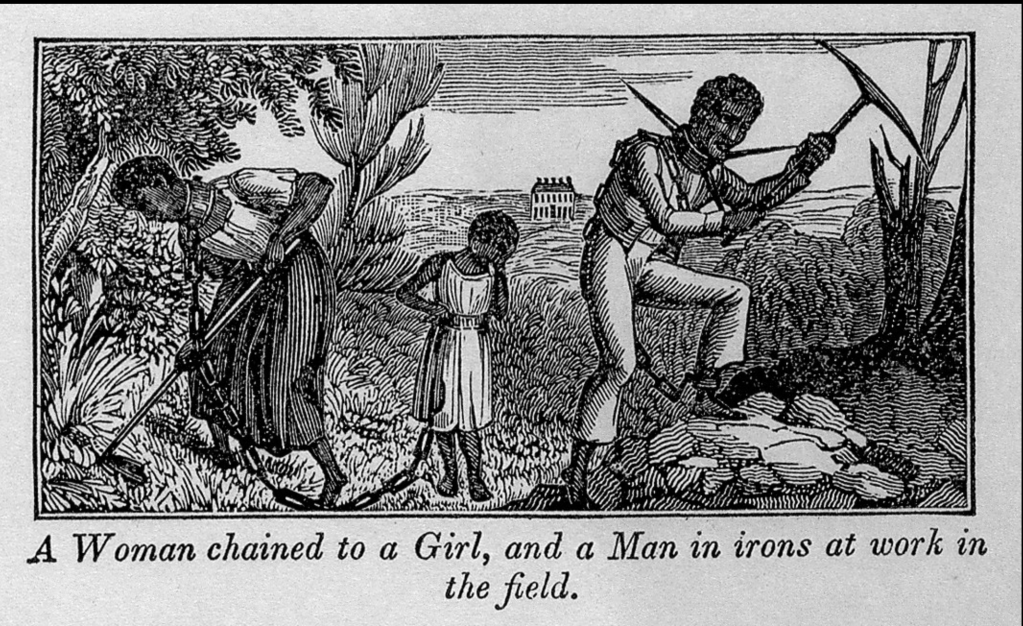
    From a Literal perspective, water holds dual significance; it can hydrate and dehydrate. In the context of slavery, hydration represented a basic human need—perhaps the only request an enslaved individual could make after laboring in the hot sun, picking cotton for hours without respite. Conversely, dehydration was wielded as a tool of control, restricting access to water to assert power over enslaved people and reinforce their subjugation.

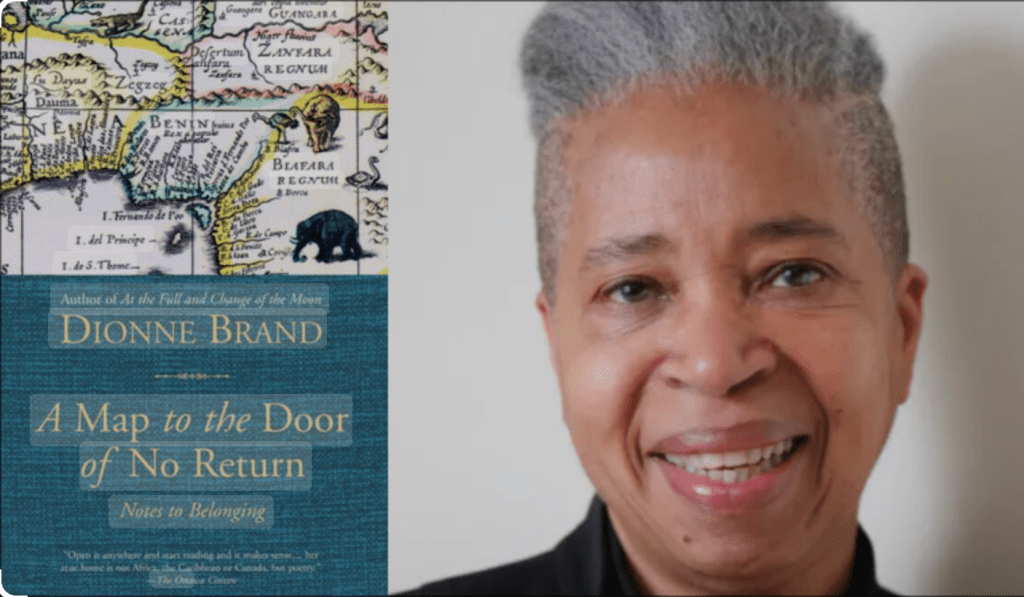
    In her thought-provoking article “A Map to the Door of No Return,” Dionne Brand intricately explores her memories of water during her childhood in Guayguayare, a small village in Trinidad and Tobago. She vividly illustrates how, for her, looking into the water was akin to gazing into the world itself, highlighting the connection to the African Diaspora shaped by the Transatlantic Slave Trade. This connection evokes a sense of history and longing, as water serves as both a physical and symbolic link to her ancestral roots. Brand poignantly reflects on how her origins seemed inextricably tied to the sea, representing both a source of life and a pathway of loss. She recalls her grandfather, a figure of wisdom and knowledge, who ultimately could not remember—which feels almost tragic—the name of their tribe from that far-off, enigmatic place that existed before the horrors of the slave trade reshaped their identities and severed their ties to the past. In doing so, Brand underscores the profound impact of historical erasure and the struggle to reclaim a fragmented heritage.
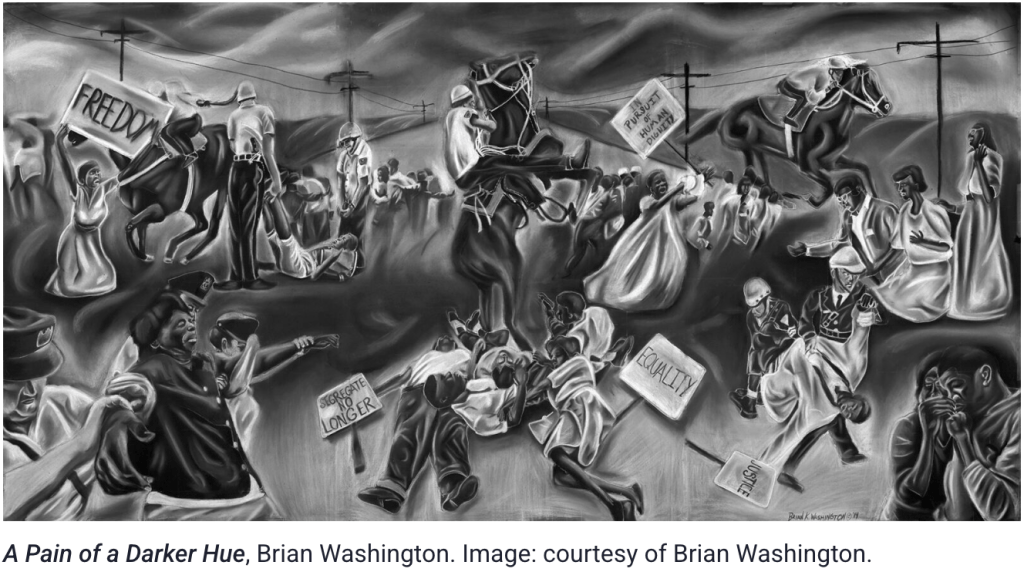
    This stark contrast underscores the complex relationship between water and human survival, particularly in a historical context where it could be both a source of life and a means of oppression. Through these multifaceted lenses, water becomes not just a natural resource, but a poignant symbol tied to memory, trauma, and the struggles for freedom and dignity.

    Reference

    Brand, D. (2001). A Map to the Door of No Return. Vintage Canada. https://doi.org/978-0-385-67483-6

    Mintz, S. (n.d.). Historical Context: Facts about the Slave Trade and Slavery. https://www.Gilderlehrman.org. https://www.gilderlehrman.org/history-resources/teacher-resources/historical-context-facts-about-slave-trade-and-slavery#:~:text=TRANS%2DATLANTIC%20SLAVE%20VOYAGES,arrived%20between%201720%20and%201780.

    National Museums Liverpool (n.d.). The Transatlantic Slave Trade. https://www.Liverpoolmuseums.org.uk. https://www.liverpoolmuseums.org.uk/history-of-slavery/transatlantic-slave-trade

    SlaveVoyages (n.d.). Explore the Origins and Forced Relocations of Enslaved Africans Across the Atlantic World. https://www.Slavevoyages.org. https://www.slavevoyages.org/

  • William Edward Burghardt Du Bois

    By Erik Ortega

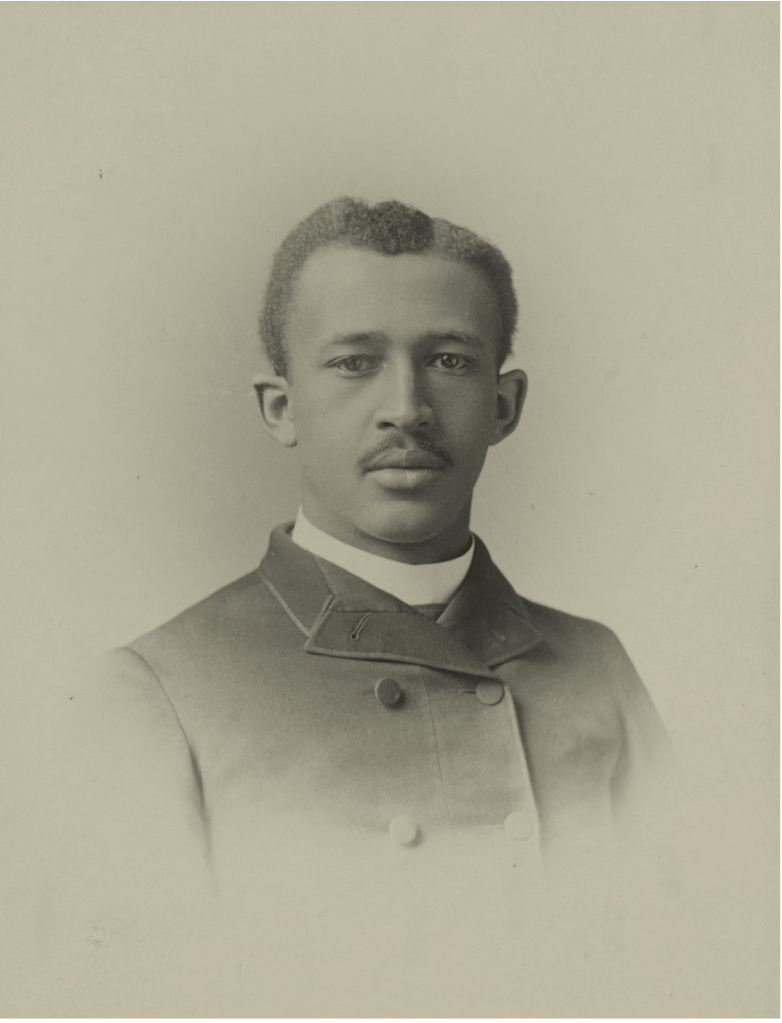
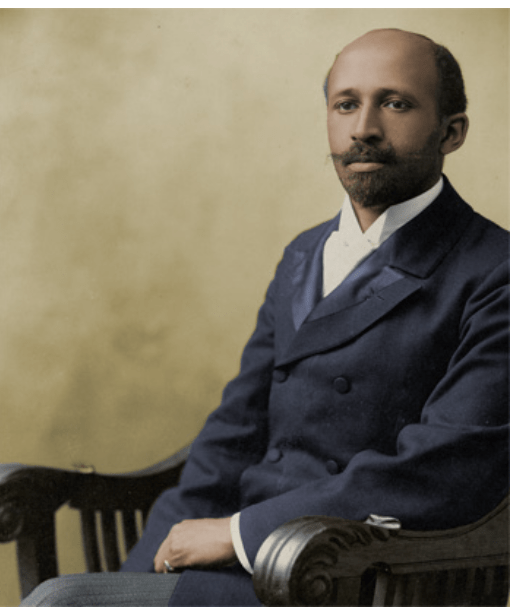
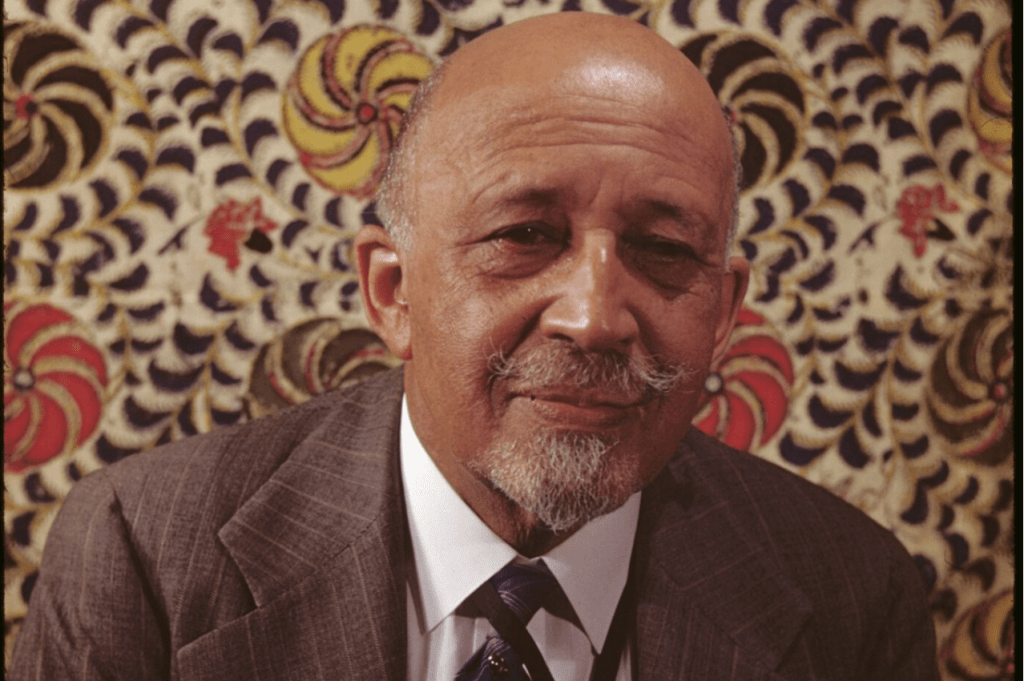
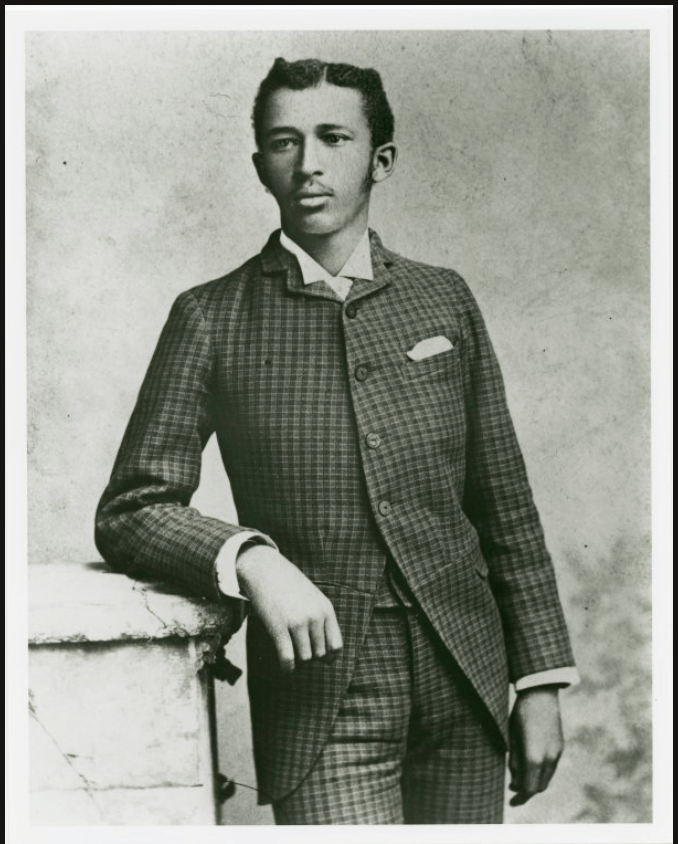
    W.E.B. Du Bois was born on February 23, 1868, in Great Barrington, Massachusetts. His upbringing profoundly shaped his understanding of race relations in America, particularly concerning the experiences and struggles of African Americans. Growing up during the Jim Crow era of the 1870s through the 1960s, he witnessed firsthand the complexities of cultural identity, systematic inequality, and the resilience of the African American community (Dr. Wade Presentation, Week 9).

    Through engaging conversations with family members and friends, his educational experiences in school, and interactions within the wider community. He cultivated a profound understanding of the history, challenges, and triumphs that shape the African American narrative in the broader context of American society. This awareness was enriched by the historical framework of his time, particularly the Reconstruction era from 1861 to 1900.

    During this pivotal period, he witnessed firsthand the intense debates and efforts surrounding the integration of “millions of newly freed African Americans into social, political, and labor systems” (History & Culture, NPS.GOV).   These discussions highlighted the complexities of civil rights, economic opportunities, and social integration, which were critical to determining the future of African Americans in a post-slavery society. Through these experiences, he gained valuable insights into the resilience and strength of the African American community as it navigated the challenges of a rapidly changing nation.

    Du Bois was the first African American to earn a Ph.D. from Harvard University, achieving this significant milestone in 1895. His groundbreaking dissertation focused on African Americans’ social and economic conditions in the United States, marking him as a leading figure in the study of race and sociology. Du Bois’s academic accomplishments and insights laid the foundation for future scholarship and civil rights advocacy, making him a pivotal figure in American History. Moreover, W.E.B. Du Bois is hailed as the seminal figure and intellectual architect of Pan-Africanism, a movement that seeks to unify and uplift people of African descent worldwide. His pioneering ideas and passionate advocacy laid the groundwork for future generations to engage in the struggle for equality, justice, and cultural pride. In advocating for social change, he firmly believed African Americans should be granted full civil rights, ensuring equality and justice under the law.

    He emphasized the need for increased political representation, championing the idea that the African American elite, whom he called the “Talented Tenth,” should take the lead in this endeavor. This group, composed of educated and successful individuals, was crucial for uplifting the entire African American community and fostering a strong voice in the political arena. Through their leadership and influence, he envisioned a brighter future where African Americans could fully participate in the Democratic process and advocate for their rights and interests.

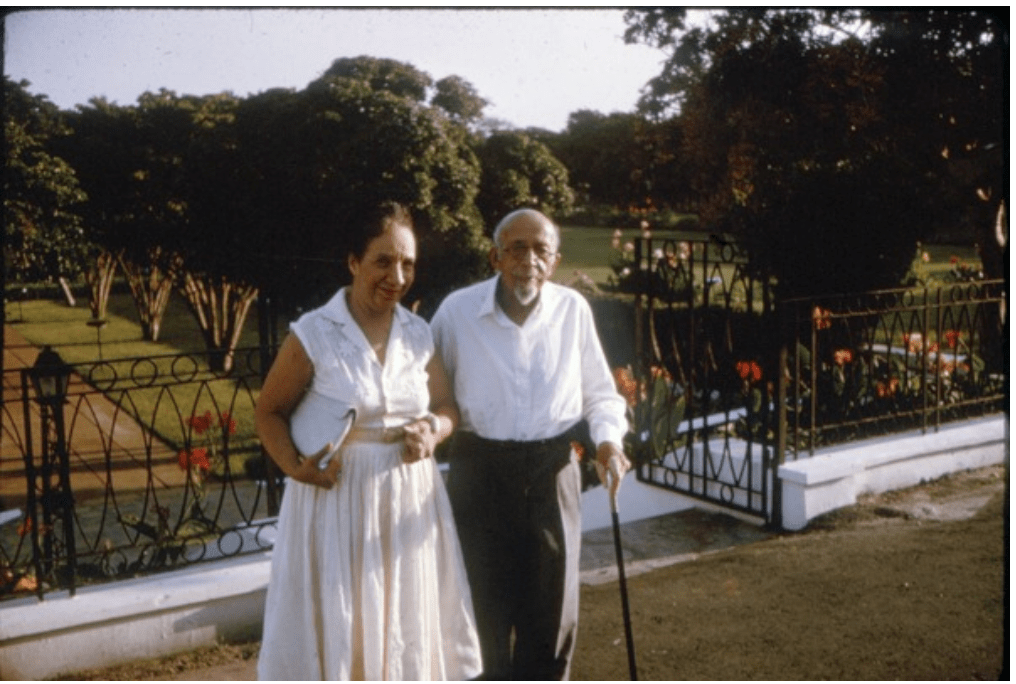
    Later, he moved to Ghana, Africa, to embark on the noble pursuit of “a new encyclopedia on the African diaspora, funded by the government of Ghana.” He embraced his identity as a citizen of Africa in 1961, and two years later, he laid to rest his physical body in Ghana on August 27, 1963, just a day before the momentous March on Washington, leaving a legacy (NAACP, W.E.B. Du Bois).

    Reference

    National Association for the Advancement of Colored People (n.d.). W.E.B. Du Bois. Https://Naacp.org. https://naacp.org/find-resources/history-explained/civil-rights-leaders/web-du-bois#:~:text=A%20citizen%20of%20the%20world,the%20historic%20March%20on%20Washington.

    National Parks Service (n.d.). Reconstruction Era, National Historical Park, South Carolina, History & Culture. https://www.nps.gov. https://www.nps.gov/reer/learn/historyculture/historyculture.htm#:~:text=The%20Reconstruction%20era%20(1861%20to,transformation%20within%20the%20United%20States.

    Wade, J. (2025, March 19). “DuBois and Black sovereignty: The case of Liberia” and “Garveyism and African Nationalism” [Lecture Presentation]. Dr. Jasmine Wade. https://csus.instructure.com/courses/131018/pages/presentation-assignment-groups?module_item_id=7182181