By Erik Ortega

W.E.B. Du Bois was born on February 23, 1868, in Great Barrington, Massachusetts. His upbringing profoundly shaped his understanding of race relations in America, particularly concerning the experiences and struggles of African Americans. Growing up during the Jim Crow era of the 1870s through the 1960s, he witnessed firsthand the complexities of cultural identity, systematic inequality, and the resilience of the African American community (Dr. Wade Presentation, Week 9).
Through engaging conversations with family members and friends, his educational experiences in school, and interactions within the wider community. He cultivated a profound understanding of the history, challenges, and triumphs that shape the African American narrative in the broader context of American society. This awareness was enriched by the historical framework of his time, particularly the Reconstruction era from 1861 to 1900.
During this pivotal period, he witnessed firsthand the intense debates and efforts surrounding the integration of “millions of newly freed African Americans into social, political, and labor systems” (History & Culture, NPS.GOV). These discussions highlighted the complexities of civil rights, economic opportunities, and social integration, which were critical to determining the future of African Americans in a post-slavery society. Through these experiences, he gained valuable insights into the resilience and strength of the African American community as it navigated the challenges of a rapidly changing nation.
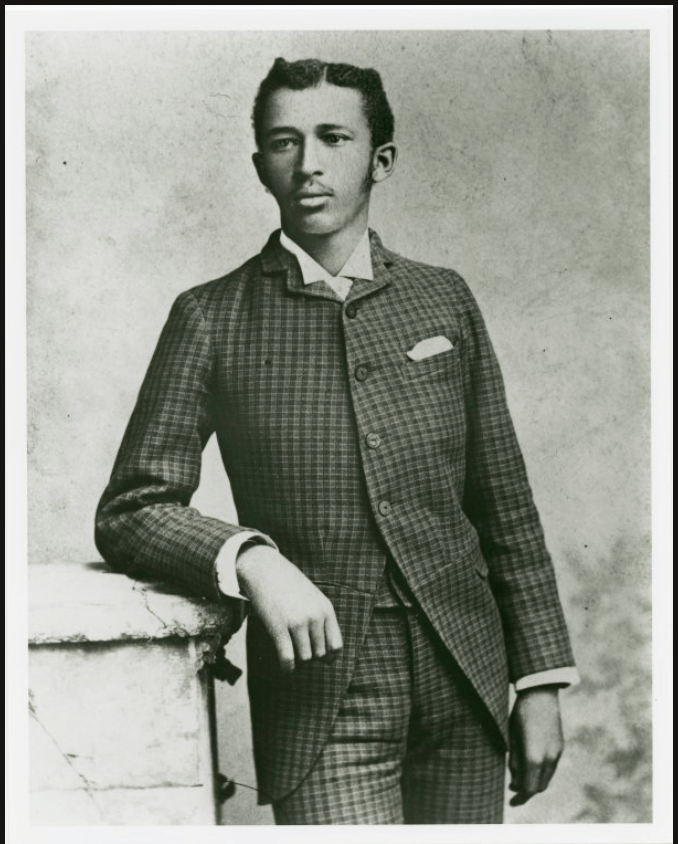
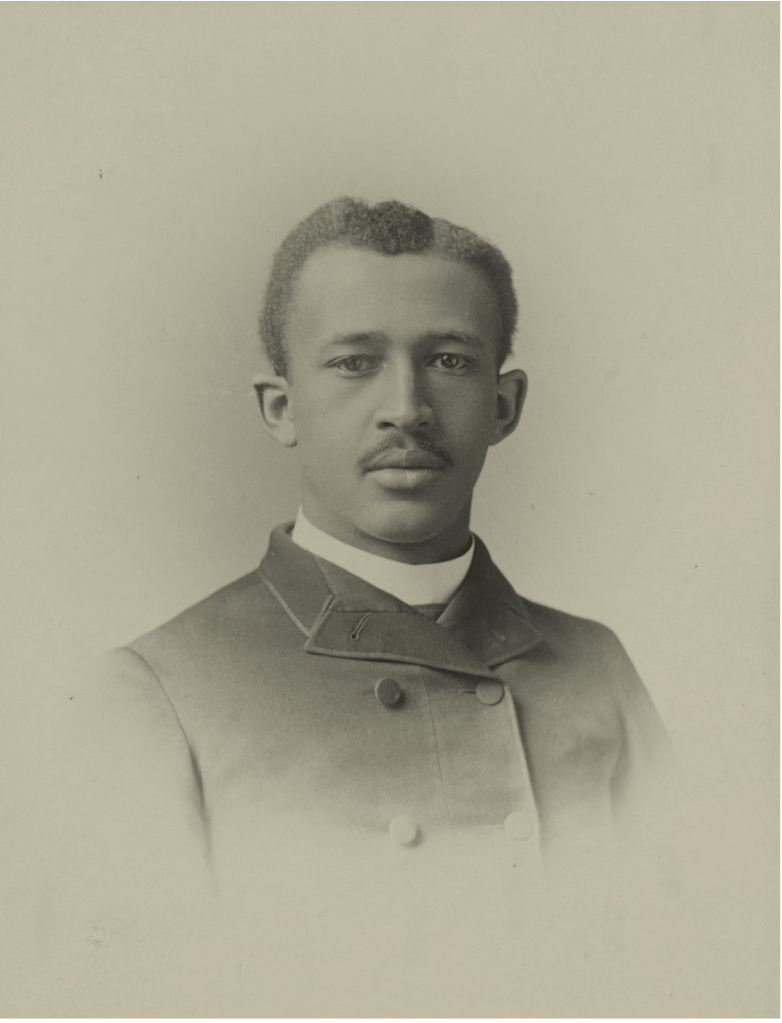
Du Bois was the first African American to earn a Ph.D. from Harvard University, achieving this significant milestone in 1895. His groundbreaking dissertation focused on African Americans’ social and economic conditions in the United States, marking him as a leading figure in the study of race and sociology. Du Bois’s academic accomplishments and insights laid the foundation for future scholarship and civil rights advocacy, making him a pivotal figure in American History. Moreover, W.E.B. Du Bois is hailed as the seminal figure and intellectual architect of Pan-Africanism, a movement that seeks to unify and uplift people of African descent worldwide. His pioneering ideas and passionate advocacy laid the groundwork for future generations to engage in the struggle for equality, justice, and cultural pride. In advocating for social change, he firmly believed African Americans should be granted full civil rights, ensuring equality and justice under the law.
He emphasized the need for increased political representation, championing the idea that the African American elite, whom he called the “Talented Tenth,” should take the lead in this endeavor. This group, composed of educated and successful individuals, was crucial for uplifting the entire African American community and fostering a strong voice in the political arena. Through their leadership and influence, he envisioned a brighter future where African Americans could fully participate in the Democratic process and advocate for their rights and interests.
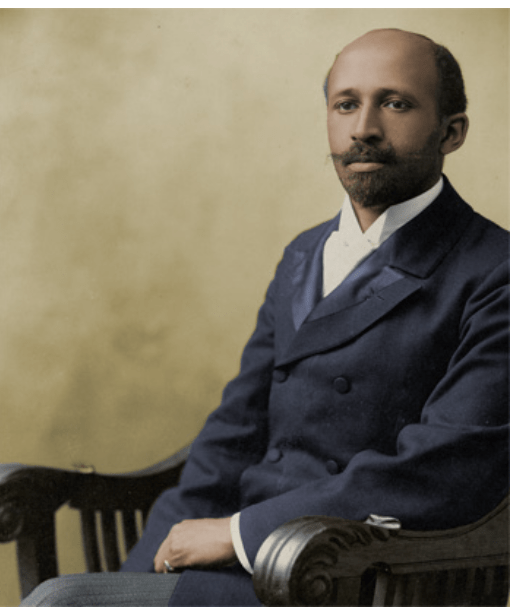
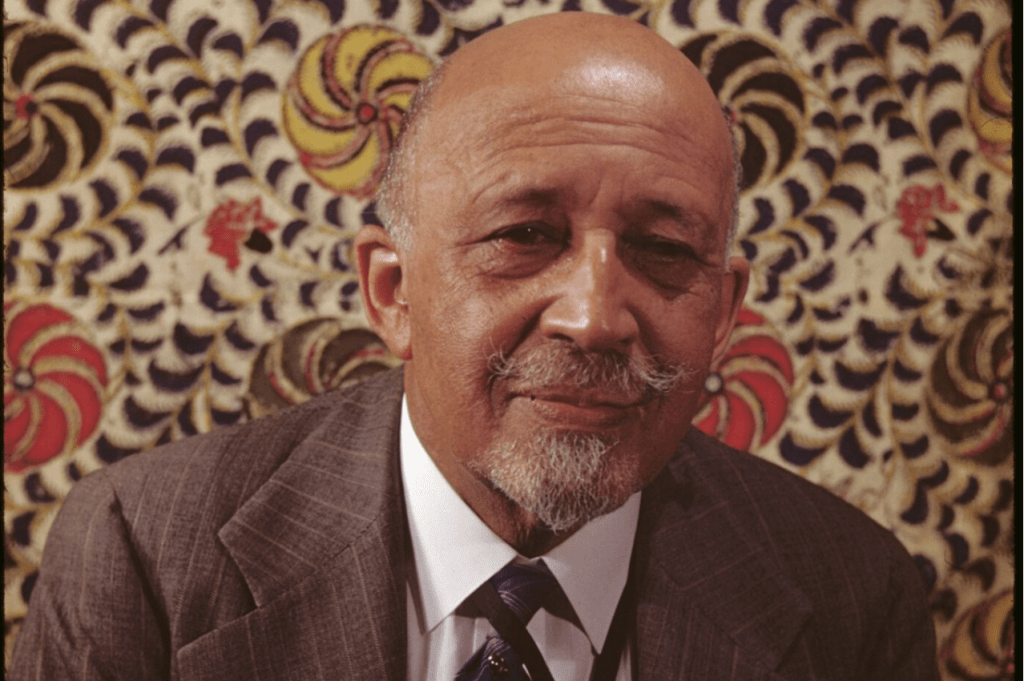
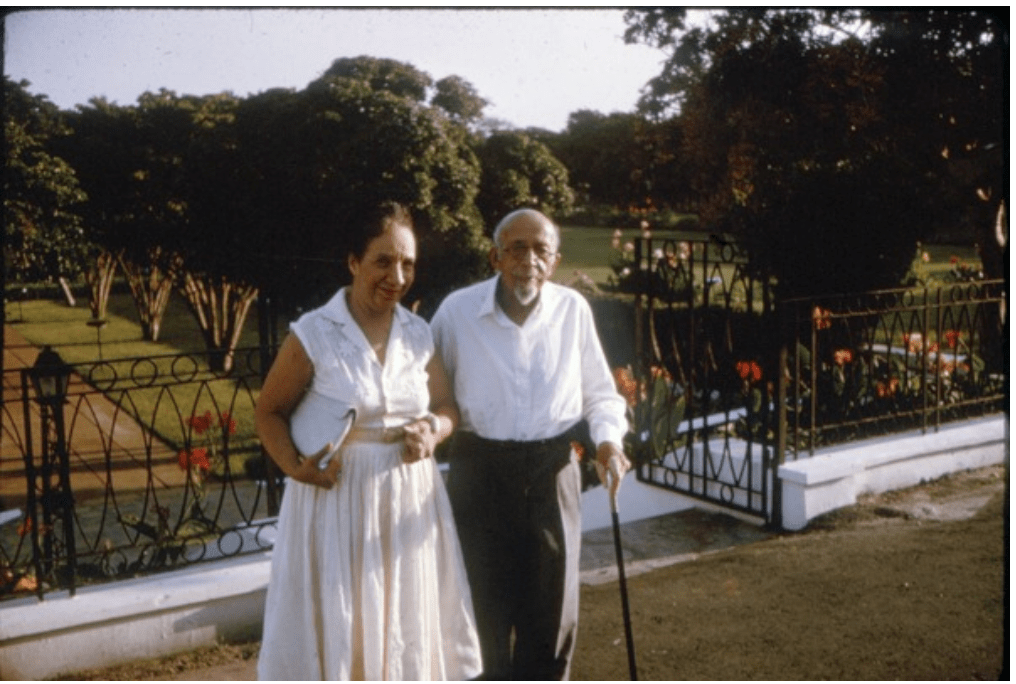
Later, he moved to Ghana, Africa, to embark on the noble pursuit of “a new encyclopedia on the African diaspora, funded by the government of Ghana.” He embraced his identity as a citizen of Africa in 1961, and two years later, he laid to rest his physical body in Ghana on August 27, 1963, just a day before the momentous March on Washington, leaving a legacy (NAACP, W.E.B. Du Bois).
Reference
National Association for the Advancement of Colored People (n.d.). W.E.B. Du Bois. Https://Naacp.org. https://naacp.org/find-resources/history-explained/civil-rights-leaders/web-du-bois#:~:text=A%20citizen%20of%20the%20world,the%20historic%20March%20on%20Washington.
National Parks Service (n.d.). Reconstruction Era, National Historical Park, South Carolina, History & Culture. https://www.nps.gov. https://www.nps.gov/reer/learn/historyculture/historyculture.htm#:~:text=The%20Reconstruction%20era%20(1861%20to,transformation%20within%20the%20United%20States.
Wade, J. (2025, March 19). “DuBois and Black sovereignty: The case of Liberia” and “Garveyism and African Nationalism” [Lecture Presentation]. Dr. Jasmine Wade. https://csus.instructure.com/courses/131018/pages/presentation-assignment-groups?module_item_id=7182181
 Pan African Studies Encyclopedia
Leave a comment