by Erik Ortega
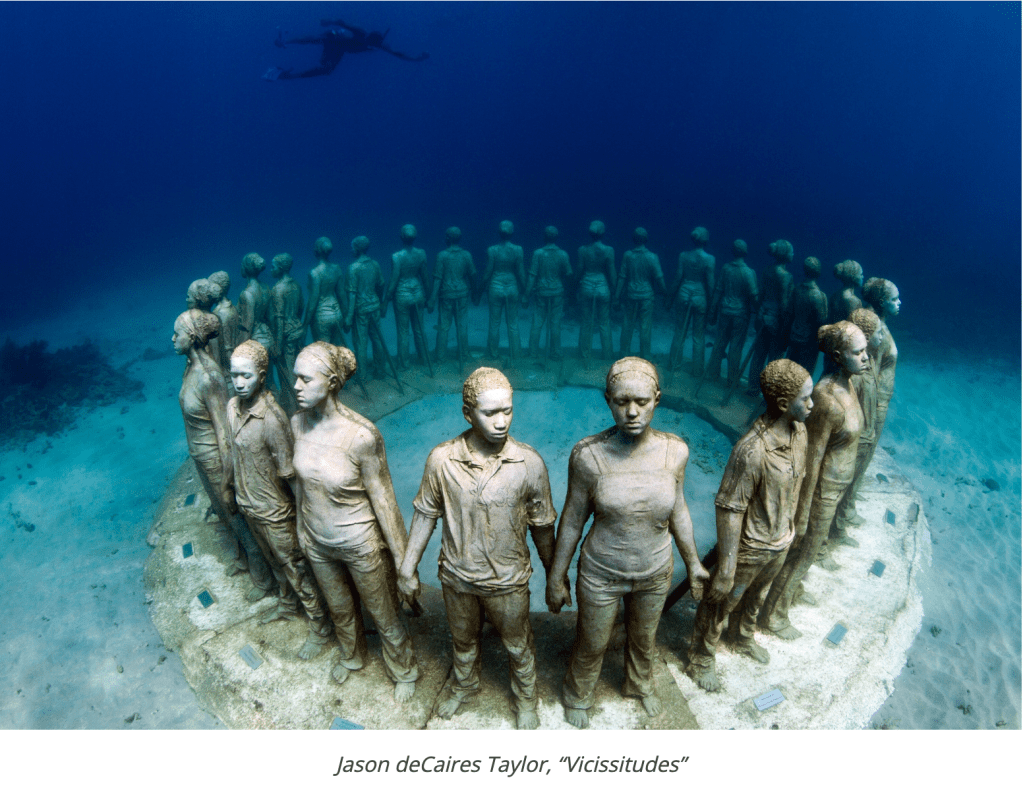
The keyword that I chose is water. I approached this topic through a milpa (Three Sisters) perspective, encompassing Indigenous, historical, and literal viewpoints.
From the Indigenous perspective, water emerges as a powerful symbol of memory, particularly in the context of the Transatlantic Slave Trade, which began “between 1500 and continued through 1900” (Liverpoolmuseums.org). Here, water embodies the suffering and dehydration endured by enslaved individuals who were forcibly taken from Africa.
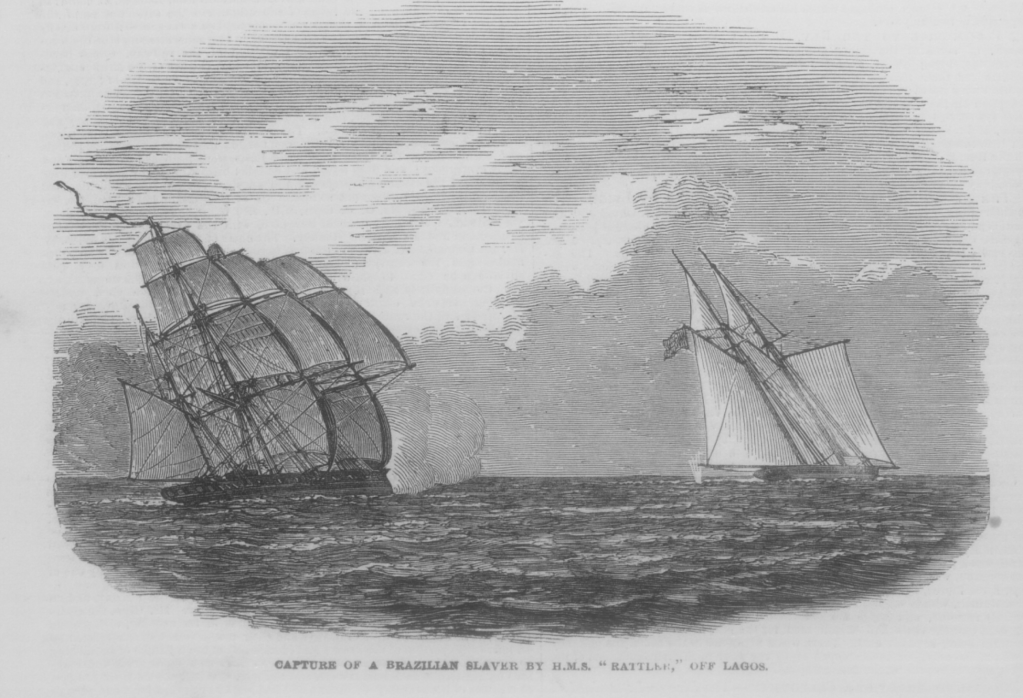
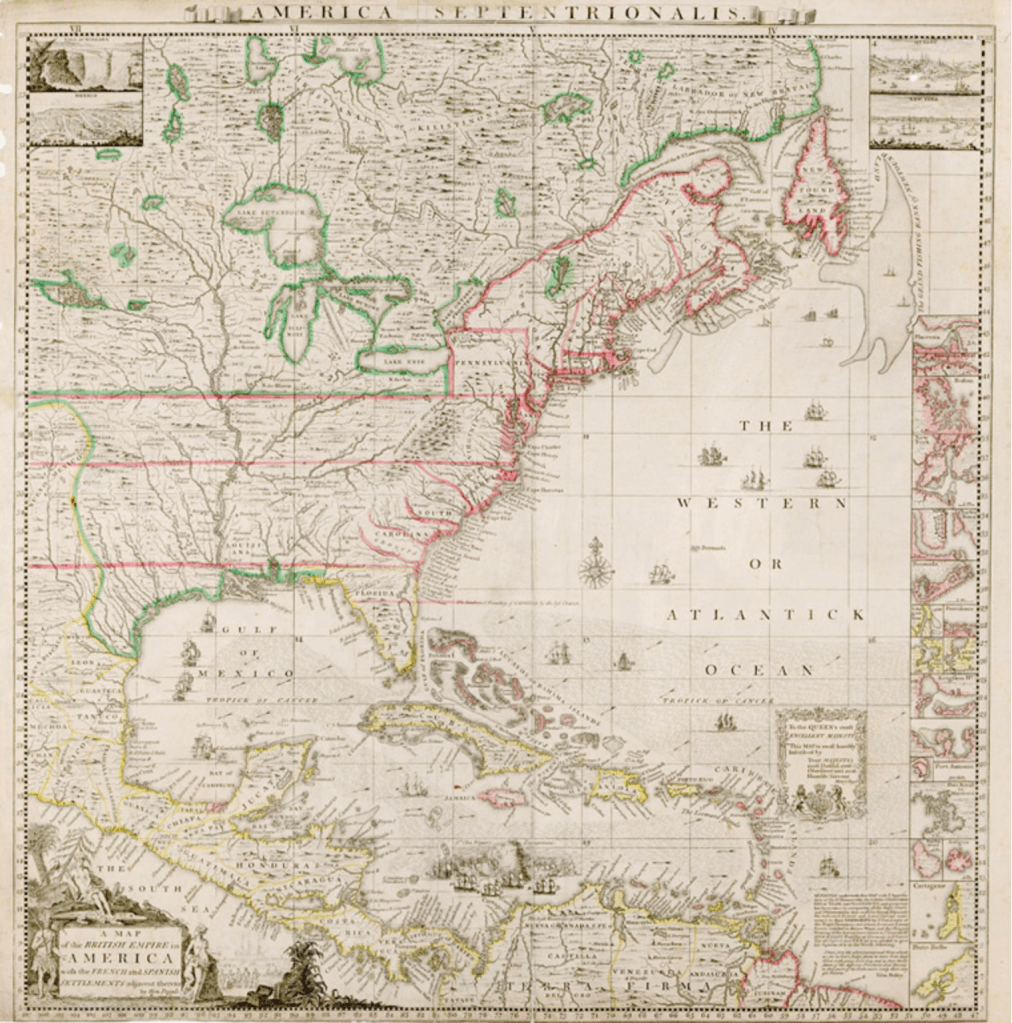
Upon their arrival in places like Anahuac, Turtle Island, Abya Ayala, Cemanahuac, and Tawantinsuyu—also known as the American continent—water serves as a haunting reminder of the inhumane conditions faced during their journey and subsequent enslavement. The water flow becomes a metaphor for the loss of life, culture, and identity, drowned in this dark chapter in history.
The Historical perspective highlights the systematic oppression faced by African and Black Americans, drawing a parallel to the way water cascades down a series of steps. Each step symbolizes the various generations that have experienced this oppression, while the relentless flow of water represents the generational trauma that seeps into the lives of descendants. This perspective illuminates how the weight of historical injustices is not only felt by those who directly suffered but also by future generations who grapple with the lasting effects of this trauma.

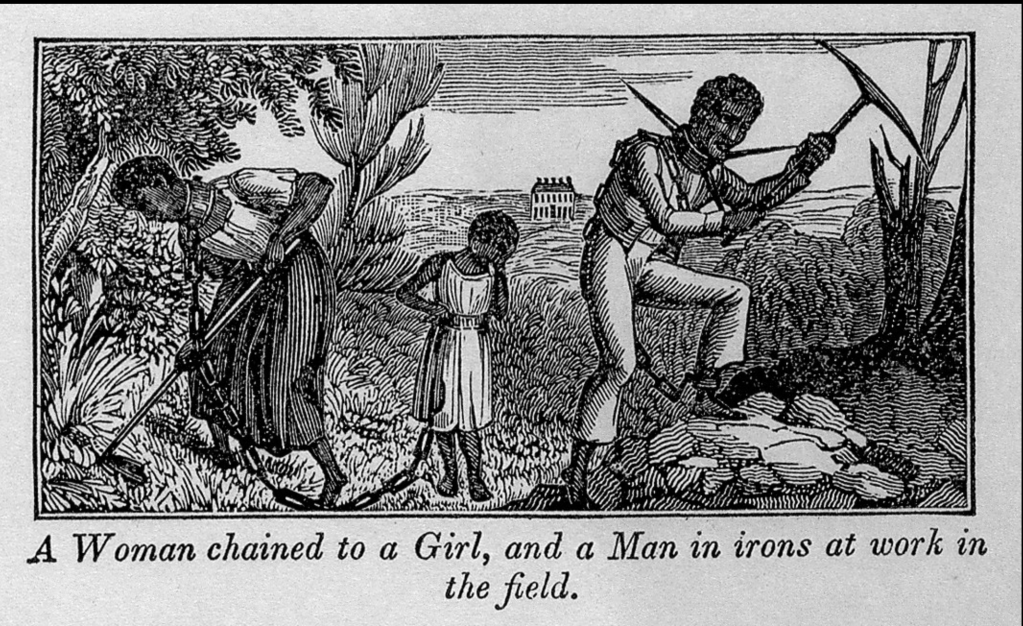
From a Literal perspective, water holds dual significance; it can hydrate and dehydrate. In the context of slavery, hydration represented a basic human need—perhaps the only request an enslaved individual could make after laboring in the hot sun, picking cotton for hours without respite. Conversely, dehydration was wielded as a tool of control, restricting access to water to assert power over enslaved people and reinforce their subjugation.
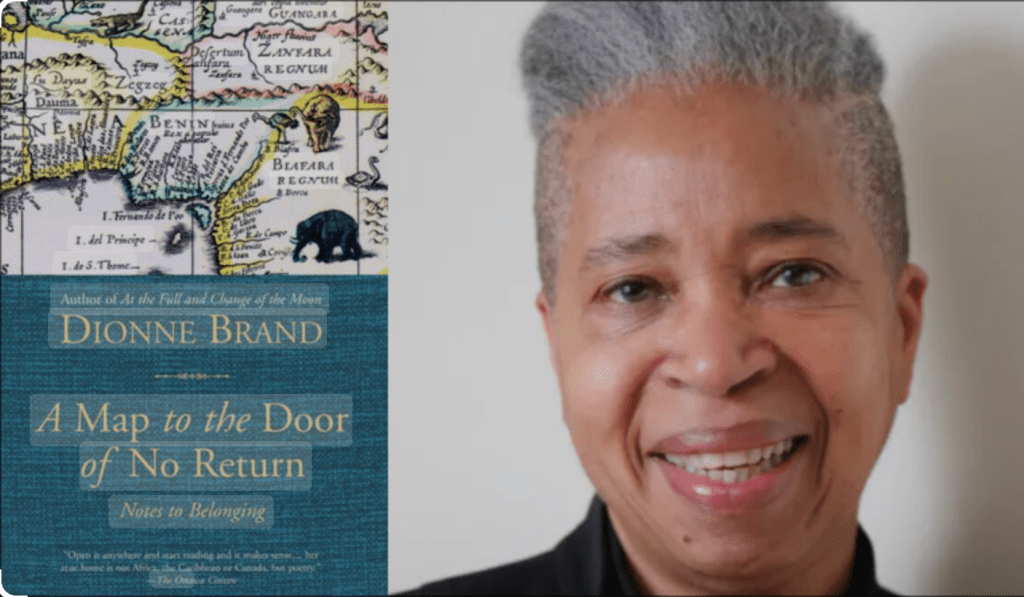
In her thought-provoking article “A Map to the Door of No Return,” Dionne Brand intricately explores her memories of water during her childhood in Guayguayare, a small village in Trinidad and Tobago. She vividly illustrates how, for her, looking into the water was akin to gazing into the world itself, highlighting the connection to the African Diaspora shaped by the Transatlantic Slave Trade. This connection evokes a sense of history and longing, as water serves as both a physical and symbolic link to her ancestral roots. Brand poignantly reflects on how her origins seemed inextricably tied to the sea, representing both a source of life and a pathway of loss. She recalls her grandfather, a figure of wisdom and knowledge, who ultimately could not remember—which feels almost tragic—the name of their tribe from that far-off, enigmatic place that existed before the horrors of the slave trade reshaped their identities and severed their ties to the past. In doing so, Brand underscores the profound impact of historical erasure and the struggle to reclaim a fragmented heritage.
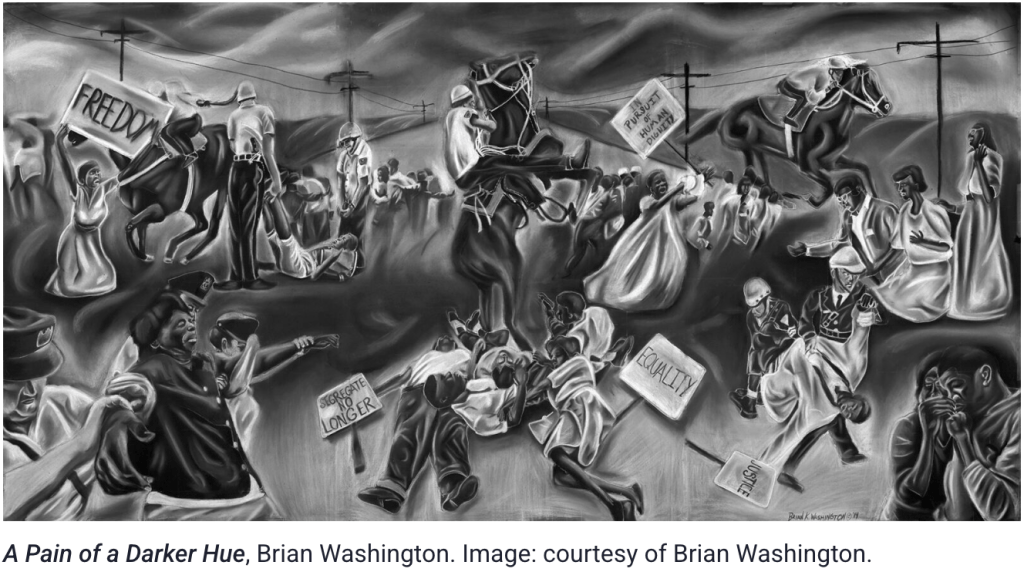
This stark contrast underscores the complex relationship between water and human survival, particularly in a historical context where it could be both a source of life and a means of oppression. Through these multifaceted lenses, water becomes not just a natural resource, but a poignant symbol tied to memory, trauma, and the struggles for freedom and dignity.
Reference
Brand, D. (2001). A Map to the Door of No Return. Vintage Canada. https://doi.org/978-0-385-67483-6
Mintz, S. (n.d.). Historical Context: Facts about the Slave Trade and Slavery. https://www.Gilderlehrman.org. https://www.gilderlehrman.org/history-resources/teacher-resources/historical-context-facts-about-slave-trade-and-slavery#:~:text=TRANS%2DATLANTIC%20SLAVE%20VOYAGES,arrived%20between%201720%20and%201780.
National Museums Liverpool (n.d.). The Transatlantic Slave Trade. https://www.Liverpoolmuseums.org.uk. https://www.liverpoolmuseums.org.uk/history-of-slavery/transatlantic-slave-trade
SlaveVoyages (n.d.). Explore the Origins and Forced Relocations of Enslaved Africans Across the Atlantic World. https://www.Slavevoyages.org. https://www.slavevoyages.org/
 Pan African Studies Encyclopedia
Leave a comment